Cucumbers
Why Are My Cucumbers Rotting?
The short answer
Remove fruit that is genuinely soft, watery, collapsing, or actively decaying, then inspect the earliest lesions before advanced rot hides the pattern. Water-soaked soft decay with white growth can fit Phytophthora blight; sunken dark lesions can fit anthracnose; sunken oozing or green-black velvety lesions can fit scab; and blackening that begins where fruit touches soil can fit gummy stem blight/black rot. Do not spray from the word rot alone.
Rotting cucumber fruit is a tissue-breakdown problem, not just a color change. Start by checking whether the fruit is soft or water-soaked, whether lesions are sunken or blackening, whether white or velvety growth is present, and whether the same pattern is appearing on leaves, stems, or nearby fruit.
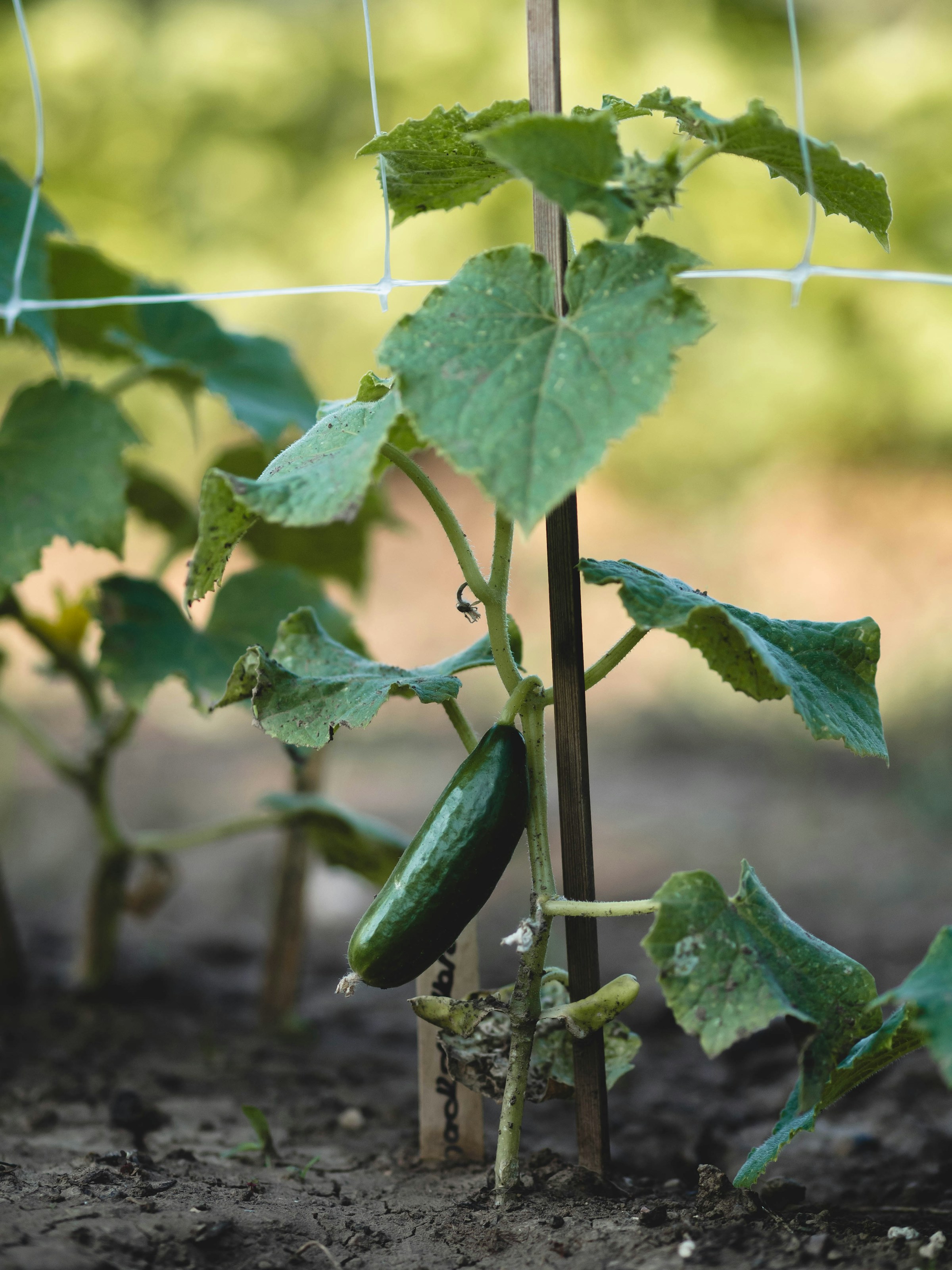
Start with the earliest rot pattern
| What you see | What it suggests first | What to check next |
|---|---|---|
| Soft, water-soaked tissue expands and fruit collapses; white growth may appear | Phytophthora blight is one important possibility | Check for water-soaked stem or petiole lesions, whole-plant collapse, drainage, and nearby affected fruit |
| Circular or sunken dark lesions; salmon-colored spores may appear when wet | Anthracnose is a stronger possibility | Look for brown leaf spots, ragged shot-hole tissue, and warm wet weather |
| Sunken fruit spots ooze or carry green-black velvety growth | Scab is a stronger possibility | Look for gray-brown leaf lesions with yellow halos and repeated fruit lesions |
| Water-soaked fruit progressively blackens, often from the soil-contact side | Gummy stem blight / black rot is a stronger possibility | Inspect stems for tan lesions, black dots, or gummy exudate and leaves for tan-brown lesions |
Compare the main rot branches
Phytophthora-like soft rot
- Lesions are water-soaked and rapidly soften large areas of fruit.
- White growth may cover infected fruit and fruit may collapse.
More likely if
- The site is wet or poorly drained.
- Stems, petioles, crowns, or nearby plants also show water-soaked decline.
Less likely if
- The fruit stays firm and only changes color without active tissue breakdown.
Remove affected fruit, avoid moving contaminated soil or water, and use local disease confirmation because Phytophthora management is site-sensitive.
Anthracnose
- Fruit has distinct sunken dark lesions.
- Wet lesions may develop salmon-colored spore masses.
More likely if
- Cucumber leaves also have brown lesions near veins or ragged centers.
- Disease appears in warm, moist mid- to late-season conditions.
Less likely if
- The main symptom is a soft white-covered collapse without discrete sunken lesions.
Confirm the lesion pattern, reduce splash and leaf wetness, and follow disease-specific guidance.
Scab
- Fruit develops sunken spots, sometimes with ooze or green-black velvety growth.
- Lesions may extend deeper as rot progresses.
More likely if
- Cool, moist weather has persisted.
- Leaves show gray-brown lesions with yellow halos or ragged centers.
Less likely if
- The fruit is uniformly soft and water-soaked with no discrete scab-like lesion.
Confirm scab before treatment and favor resistant cultivars, clean seed, rotation, and reduced prolonged wetness.
Black rot / another decay
- Fruit begins water-soaked and later blackens or collapses.
- Decay may start where fruit touches the soil.
More likely if
- Stems have tan lesions, black dots, or gummy exudate.
- Other rotting organisms invade the damaged fruit later.
Less likely if
- Only superficial discoloration is present and the tissue remains firm.
Use the stem, leaf, and fruit pattern together and seek disease identification if the cause remains unclear.
Checks before treating cucumber fruit rot
- Compare an early lesion with a late-stage rotten fruit; secondary organisms can hide the original pattern.
- Record whether the tissue is firm, soft, water-soaked, sunken, blackening, fuzzy, or velvety.
- Inspect the entire vine for companion leaf, stem, petiole, crown, and wilt symptoms.
- Check soil contact, drainage, splash, overhead irrigation, recent rain, and crowding before changing care.
- Use local Extension or a plant-disease clinic when Phytophthora or an unusual rapidly spreading rot is plausible.
Route the strongest companion clue
- Fruit is yellow but stays firm and is not actively decaying: Use the Cucumber Turning Yellow diagnosis; discoloration is a different first problem.Why Are Cucumber Fruits Turning Yellow?
- Fruit is crooked or uneven but the tissue is firm: Use the Misshapen Cucumbers diagnosis rather than a rot diagnosis.Why Are My Cucumbers Misshapen or Crooked?
- Fruit stays small without soft lesions: Use the Small or Stunted Cucumbers diagnosis.Why Are Cucumbers Small or Stunted?
- The whole vine is wilting or collapsing: Use the Cucumber Wilting diagnosis as well and investigate roots, crown, stems, and vascular disease.Why are my cucumber plants wilting?
What to do now
- Remove actively rotten fruit from contact with healthy fruit and dispose of it away from the production area.
- Harvest healthy mature cucumbers regularly and keep harvested sound fruit separate from rotten produce.
- Water at the root zone when practical and reduce prolonged fruit and foliage wetness.
- Improve drainage and prevent low spots or irrigation runoff from keeping cucurbit beds saturated.
- Avoid working through wet vines when a spreading disease is suspected, and clean soil and debris from tools before moving between areas.
GardenSolved checkpoint
Do not do this yet
- Do not spray a fungicide merely because a cucumber is rotting; different pathogens and non-disease injuries need different responses.
- Do not call firm yellowing, misshapen fruit, or blossom-end discoloration fruit rot unless tissue is actually breaking down.
- Do not leave collapsing fruit in contact with healthy cucumbers or mix rotten and sound produce after harvest.
- Do not keep adding water to a saturated bed because a diseased vine is wilting.
- Do not move wet soil, tools, or plant debris from a suspected Phytophthora area into clean cucurbit beds.
Confirm the likely cause first, then choose the treatment.
What improvement looks like
- New fruit remains firm and free of expanding water-soaked, sunken, or black lesions.
- Rot stops appearing on successive fruit after infected material is removed and moisture conditions improve.
- Leaves and stems remain free of new companion lesions or collapse.
- Healthy harvested cucumbers remain sound instead of breaking down rapidly in storage.
Reduce repeat fruit rot
- Use clean seed and resistant cultivars where disease-specific resistance is available.
- Rotate away from cucurbits according to disease-specific guidance, especially after confirmed anthracnose or scab.
- Use drip or careful soil-level irrigation where practical and avoid unnecessary prolonged wetness on vines and fruit.
- Trellis or otherwise manage vines where suitable so fruit and foliage are easier to inspect and dry.
- Remove diseased produce promptly and clean tools after working in an infected area.
When fruit rot needs local diagnosis
Escalate when several plants develop fast water-soaked fruit collapse, white growth appears with crown or stem lesions, the bed is chronically wet, or the rot pattern is unusual. Phytophthora in particular can persist in infested sites and warrants disease-specific confirmation and management rather than a generic rot treatment.