Container gardening
Winter Sowing Seeds: What to Sow, When and How
The short answer
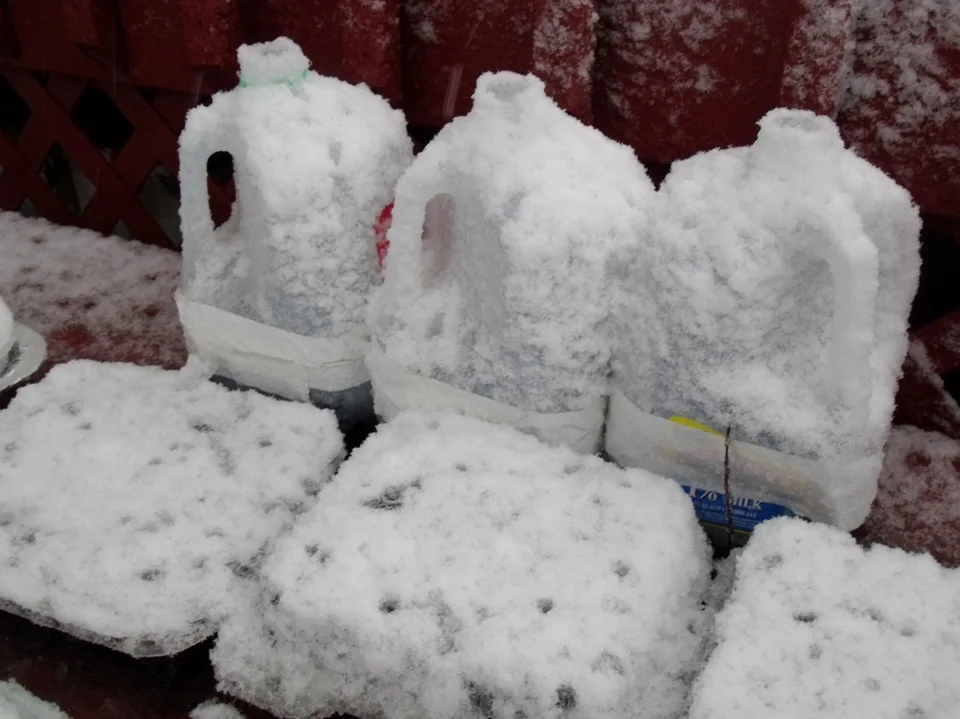
Winter sowing starts seeds outdoors in light-transmitting, drained and ventilated containers. Choose seed whose germination requirements and seedling cold tolerance suit your local winter. Some seeds need a cold, moist period; others do not. Follow the species' instructions rather than treating a month, a milk jug or a layer of snow as a universal recipe.
Choose suitable seed and a local window, then manage an outdoor drained, ventilated container.
Diagnostic snapshot
What to check before you act
What you are seeing
- A specified cold-moist stratification requirement
- Hardy seed suited to outdoor early sowing
Check first
Read the botanical name, planting depth, light requirement, treatment instructions and seedling frost tolerance. Cold tolerance of an adult plant does not establish tolerance at every stage.
Hold off for now
Do not sow every packet on the same date.
Investigate further if
If the seed requires a treatment your climate cannot reliably provide, use species-specific advice before proceeding. If nothing emerges, keep the label and record of conditions and use the non-germination guide. If shoots appeared and then collapsed, investigate seedling stress or disease rather than calling it a failure to germinate.
Photograph this before you act
- Photograph the soil surface and root-zone or container context; do not disturb roots just to take a photo.
- Take one close-up of the clearest symptom and one wider view that shows the surrounding area for comparison.
Next best check
Check two visible clues before you act.
This mini-check narrows the match using the same canonical diagnostic clues as this answer. It does not confirm a diagnosis from one or two clicks, and it does not make a photo-only diagnosis.
Two quick observations can tell you whether to keep reading this diagnosis closely or compare other possibilities first.
Outdoor sowing, not indoor propagation
This guide covers outdoor container sowing. Starting tender seedlings in a heated room under lights is a different method.
What to sow and when
| Seed instructions or situation | Decision |
|---|---|
| A specified cold-moist stratification requirement | Plan enough suitable cold, moist exposure before the expected germination season |
| Hardy seed suited to outdoor early sowing | Follow the species' timing and local conditions; a cold treatment may not be necessary |
| Warm-germinating or frost-sensitive plants | Delay until conditions suit them or choose an appropriate indoor method |
| Unknown identity or no reliable instructions | Identify the seed and look up its requirements before starting a batch |
| Winter too mild to provide the required treatment | Ask the supplier or local horticultural service about a controlled alternative |
Why these distinctions matter
SDSU Extension explains how seed requirements and local conditions guide selection. Royal Botanical Gardens stresses that germination protocols vary, including species needing more complex temperature sequences. Do not recommend an unfamiliar plant simply because someone elsewhere winter-sowed it successfully.
Confirm before sowing
- Read the botanical name, planting depth, light requirement, treatment instructions and seedling frost tolerance. Cold tolerance of an adult plant does not establish tolerance at every stage.
- Compare those instructions with local winter conditions and your expected transplant window. Northern-hemisphere month examples are not a global calendar.
- Test that water can exit the container and that air can enter the cover. A sealed clear container can become wet and overheat in sun.
- Choose a secure place that receives appropriate outdoor exposure without roof runoff, strong wind or standing water.
Set up the container
- Clean a suitable light-transmitting container. Have an adult make any cuts or holes using a stable work surface and an appropriate tool.
- Provide bottom drainage and upper ventilation. For a jug, leave the cap off; other lids need suitable vents.
- Add fresh, well-drained seed-starting or suitable potting medium. Moisten it and let excess drain. Follow the seed and container requirements rather than packing in garden soil.
- Sow at the packet's depth and spacing; light-requiring seed may need to remain at the surface. Label the plant and sowing date inside and outside.
- Refit the cover securely without making the container airtight. Put it outdoors in the chosen position and prevent it blowing over.
Keep checking after setup
Check the medium directly: condensation alone does not tell you whether the seed zone is moist. Rain and snow may help but do not replace inspection, especially under shelter or in dry weather. Add water gently if needed and avoid standing water.
When shoots emerge, monitor more often. Ventilate or open the container as conditions warm, and protect vulnerable seedlings from forecast cold. Adjust gradually when removing the cover; do not assume outdoor germination makes seedlings immune to exposure changes. Transplant when the species, root development and local soil conditions suit it.
GardenSolved checkpoint
Do not do this yet
- Do not sow every packet on the same date.
- Do not put frost-sensitive seed outside just because the adult plant will grow in your summer garden.
- Do not close every vent to make the container warmer.
- Do not bring a cold-treatment batch into a heated room each night.
- Do not leave newly emerged seedlings unattended in a covered container during sunny warm weather.
Confirm the likely cause first, then choose the treatment.
When to change the method
If the seed requires a treatment your climate cannot reliably provide, use species-specific advice before proceeding. If nothing emerges, keep the label and record of conditions and use the non-germination guide. If shoots appeared and then collapsed, investigate seedling stress or disease rather than calling it a failure to germinate.
Choose your next step
Sources
Save & recheck
Compare what changes before changing course.
Save this diagnosis only in this browser, then come back and compare the same clues. No account, reminder subscription, or server-stored diagnostic record is created.
Your baseline
- A specified cold-moist stratification requirement
- Hardy seed suited to outdoor early sowing
Check again when you return
- Read the botanical name, planting depth, light requirement, treatment instructions and seedling frost tolerance. Cold tolerance of an adult plant does not establish tolerance at every stage.
- Compare those instructions with local winter conditions and your expected transplant window. Northern-hemisphere month examples are not a global calendar.
Tip: photograph the same area from a similar angle so the visible pattern is easier to compare.