Container gardening
Container problems and care
Start with what the root zone is doing. Check drainage and actual moisture first, then root space and pot size, and treat leaf color or odor as clues rather than instant diagnoses.
Find the right answerAI-generated diagnostic image: GardenSolved.com. Context illustration/photo, not confirmation of a plant problem.
Before you change anything
Three checks that separate common container problems
1. Check where excess water goes
Confirm that the planted root zone has a functional outlet and that water is not sitting in a saucer or decorative outer pot.
Check drainage2. Check the center of the root ball
Surface appearance and runoff can mislead. Feel or inspect below the surface so you know whether the center is wet, dry, or being bypassed by water.
Check wetting3. Compare the roots with the pot
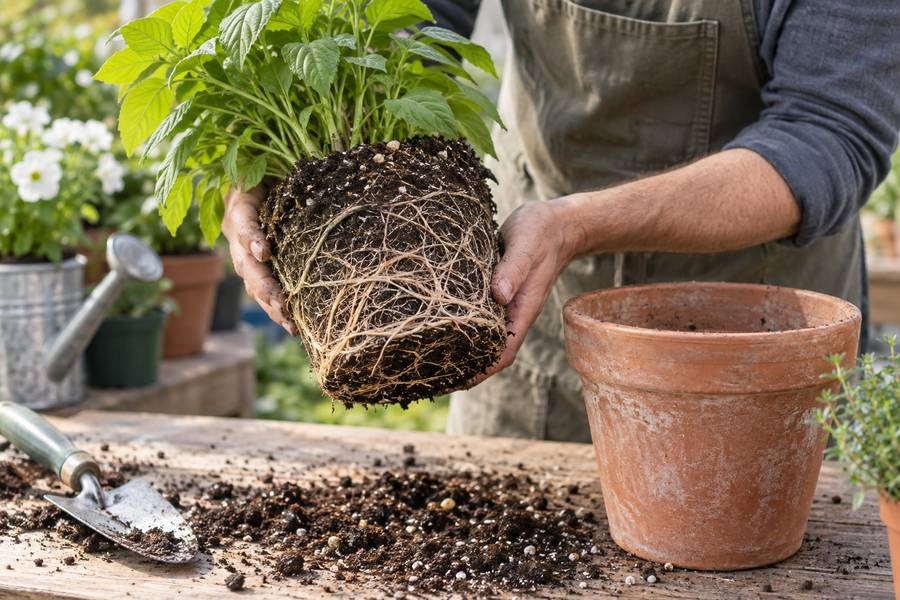
Look for a dense root mass, very little loose mix, or excessive unused potting volume before deciding that the plant needs a larger container.
Check root spaceGardenSolved checkpoint
Do not do this yet
Do not fertilize, apply fungicide, move the plant several pot sizes up, or water again just because the leaves droop until you have checked the root-zone moisture, drainage, and the actual root ball. The same visible symptom can come from opposite root-zone conditions.
Browse by problem
12 practical container answers
Soil · drainage · watering · roots · warning signs
Soil & potting mix
Choose the medium by how it holds water and air, not by the word soil alone. Use these answers for mix selection, garden-soil comparisons, and whether old potting mix is still suitable to reuse.
What is the best soil for container plants?
Choose a labeled potting mix suited to the plant and pot, not one universal soil recipe.
Read the answerGarden soil vs potting mix: what is the difference?
Potting mix is generally better suited to containers because it is formulated for root-zone air and drainage.
Read the answerCan I reuse potting soil?
Reuse healthy, structurally sound container mix selectively; use fresh medium for seedlings.
Read the answerDrainage & moisture
Separate blocked drainage, slow drying, fast drying, incomplete rewetting, and normal watering demand. These problems can look similar above the soil while needing different first actions.
Do containers need drainage holes?
Most ordinary container plants need a reliable way for excess water to leave the root zone.
Read the answerWhy is my potting soil staying wet?
Persistent wetness is a drainage and root-zone clue, not an automatic root-rot diagnosis.
Read the answerWhy does potting soil dry out so fast?
Fast drying can reflect root crowding, small pot volume, hot conditions or incomplete rewetting.
Read the answerHow often should I water container plants?
Use root-zone moisture and current conditions to decide when to water containers.
Read the answerWhy is water running straight through my pot?
Immediate runoff can bypass a dry root ball; confirm the center is wet before calling drainage adequate.
Read the answerPot size & roots
Check the actual root ball before changing containers. A visible root, rapid drying, or slow growth can be useful clues, but none of them alone proves that a plant needs a much larger pot.
Warning signs
Yellow leaves and bad odors are warning signs, not diagnoses. Start with root-zone moisture, drainage, trapped water, and root condition before reaching for fertilizer, fungicide, or a drastic repot.