Lawn & Grass
Why are there weeds in my lawn?
The short answer
Identify the weed first, then inspect why turf is open in that area. Dense, appropriately mown turf can reduce opportunities for many weeds; herbicides should be selected only for an identified target and used according to the label and local rules.
Weeds do not all mean the same thing. Different species favor different seasons and sites, but many become established where turf is thin, bare, repeatedly scalped, shaded, compacted, or otherwise poorly matched to conditions.
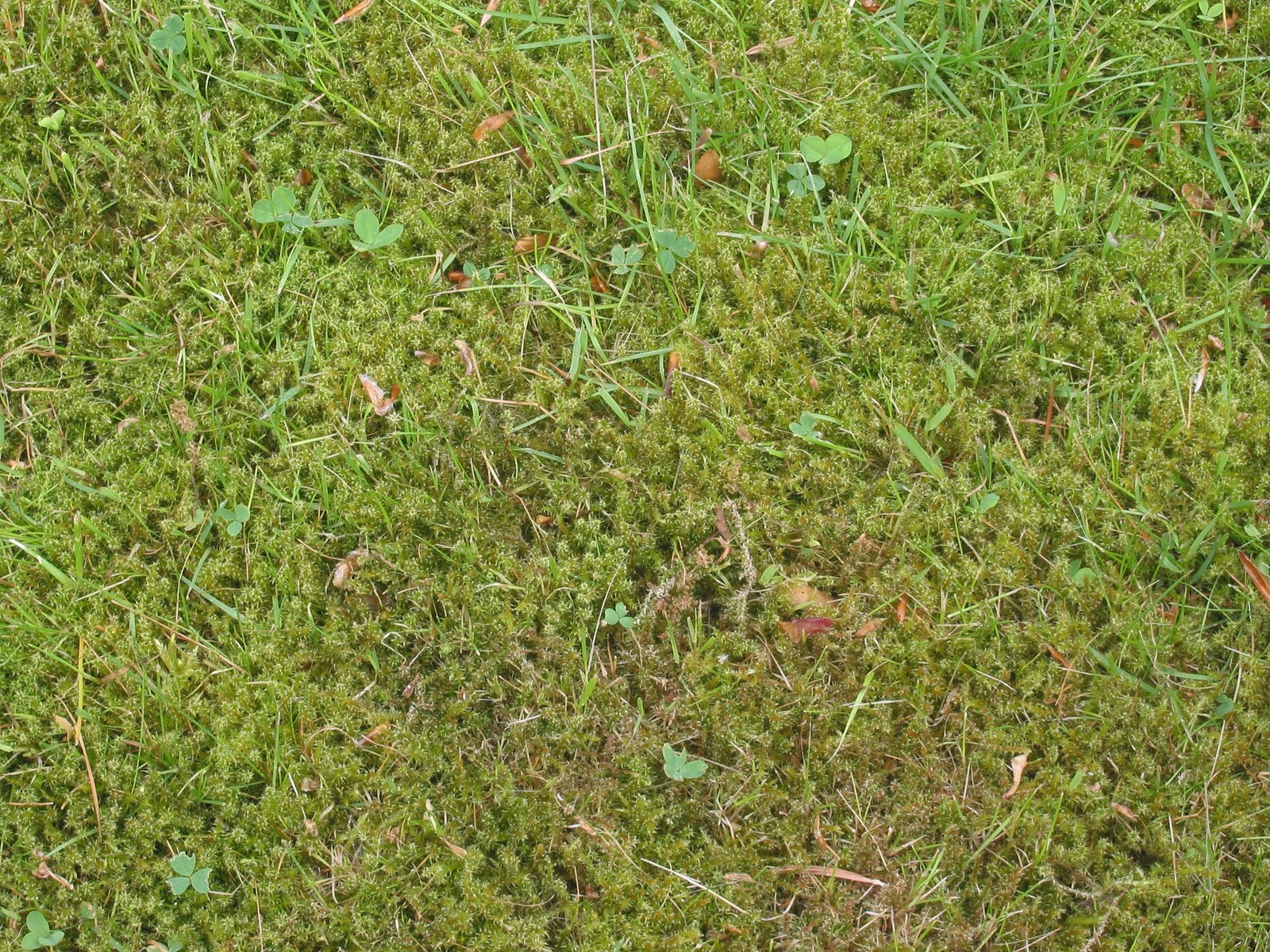
Start with the visible pattern
| What you see | What it suggests checking |
|---|---|
| Weeds fill bare or thin areas | Correct the reason turf density fell. |
| Crabgrass-like weeds occur in short, open turf | Review mowing height and seasonal prevention. |
| Weeds dominate a shaded or wet zone | Correct site mismatch instead of relying only on herbicide. |
| Only a few weeds are present | Hand removal may be enough if roots or regrowth structures are handled appropriately. |
Compare the most useful branches
Open turf and mowing pressure
- Weeds occupy gaps between weak grass plants.
- The lawn is cut very short or scalped.
More likely if
- Weed density is highest where turf density is lowest.
Less likely if
- Dense turf is equally infested.
Improve mowing and turf density while managing the identified weed.
Site-driven weed pressure
- Specific weeds concentrate in wet, compacted, shaded, or disturbed areas.
More likely if
- The pattern repeats in the same site conditions.
Less likely if
- The weed is evenly scattered across otherwise uniform turf.
Correct the site condition and then restore turf cover.
Targeted weed control
- The weed has been positively identified.
More likely if
- A few plants can be removed or a selective labeled option exists.
Less likely if
- Identification is uncertain.
Use hand removal or a label-compliant control appropriate to the identified weed and turf.
Checks before treatment
- Identify whether the plant is a broadleaf, grass, sedge, or another type before control.
- Map weeds against bare areas, mowing height, shade, moisture, and traffic.
- Check the product label and turf species before any herbicide use.
What to do now
- Identify the weed before choosing a control.
- Repair bare or thin turf and correct mowing, drainage, light, or compaction issues.
- For small infestations, remove weeds mechanically when practical; use herbicides only when necessary and labeled.
GardenSolved checkpoint
Do not do this yet
Avoid these shortcuts
- Do not spray an unidentified plant.
- Do not lower mowing height to 'cut out' weeds if it weakens the turf.
- Do not assume every non-grass plant must be removed; decide your lawn goals first.
Confirm the likely cause first, then choose the treatment.
Reduce repeat problems
- Maintain a dense turf canopy at an appropriate mowing height.
- Repair bare soil promptly.
- Prevent seed or rhizome spread through contaminated soil, seed, or equipment where relevant.
When to investigate further
Seek local identification before spraying when the weed is uncertain, invasive status may matter, or turf has already been injured by a previous product.