Lawn & Grass
Why is my lawn thinning?
The short answer
Compare the thinnest area with healthy turf. Start with light, mowing height, traffic, soil firmness, and moisture, then inspect roots and blades. Overseed only after the main limitation is corrected.
A lawn becomes thin when turf loses plants faster than it replaces them. Shade, low mowing, compaction, drought, excess moisture, site mismatch, and recurring pest or disease pressure can all reduce density, and more seed will not solve each of those problems.
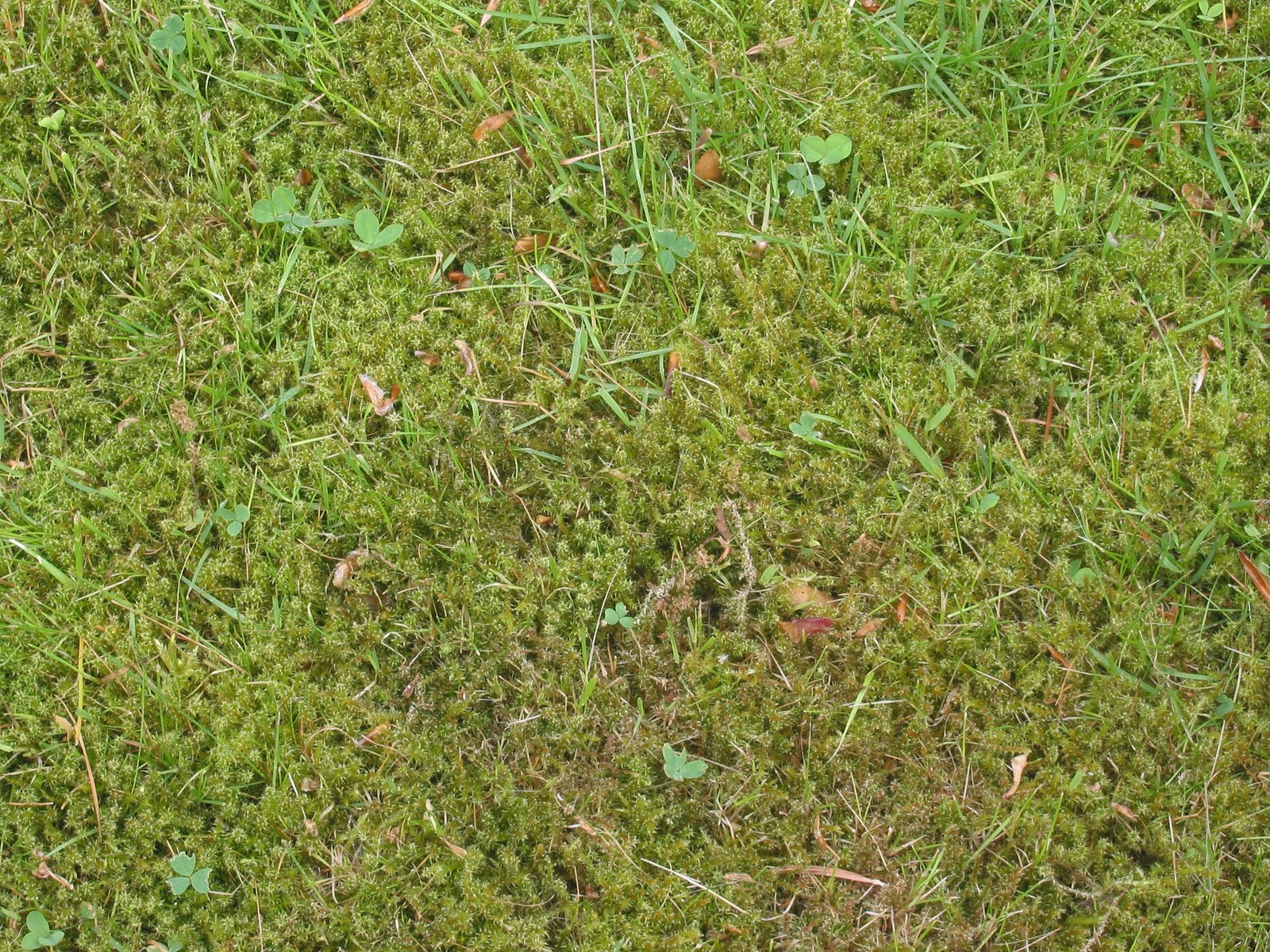
Start with the pattern
| What you see | What to check next |
|---|---|
| Thin turf in shade | Check light and tree-root competition. |
| Thin turf along busy routes | Check traffic and compaction. |
| Thin turf after very low mowing | Raise mowing height gradually and avoid scalping. |
| Thin turf despite suitable site care | Inspect roots, crowns, blades, and thatch for a specific problem. |
Compare the most likely branches
Shade or site mismatch
- Density declines where light is lowest.
More likely if
- The same pattern returns every year under trees or structures.
Less likely if
- Full-sun areas are equally affected.
Use shade-tolerant turf or another groundcover where lawn conditions are unsuitable.
Mowing, traffic, or compaction
- Damage follows use patterns or low cutting.
More likely if
- Soil is firm and plants have shallow roots.
Less likely if
- There is little traffic and mowing is already appropriate.
Reduce wear and correct confirmed compaction during active growth.
Moisture, nutrition, pest, or disease
- Thin areas also show drought, saturation, root injury, lesions, or unusual color.
More likely if
- Direct evidence supports the branch.
Less likely if
- The pattern is explained by light and traffic alone.
Treat the confirmed limitation rather than fertilizing by default.
Checks before treatment
- Record usable light and mowing height in thin and dense areas.
- Check soil firmness and moisture at root depth.
- Inspect roots, crowns, thatch, and blades for a repeatable pest or disease clue.
What to do now
- Raise mowing height if turf is being scalped and keep blades sharp.
- Correct drainage, irrigation, or compaction only where those problems are confirmed.
- Overseed in the appropriate establishment season after the limiting condition is improved.
GardenSolved checkpoint
Do not do this yet
Avoid these shortcuts
- Do not use fertilizer to compensate for deep shade or saturated soil.
- Do not core-aerate merely because turf is thin unless compaction is actually present.
- Do not overseed repeatedly without changing the condition that caused thinning.
Confirm the likely cause first, then choose the treatment.
Reduce the chance of recurrence
- Match turf species to light and climate.
- Protect wet soil from repeated traffic.
- Use soil-based fertility and appropriate mowing to maintain density.
When to investigate further
Use a local turf diagnostic service if thinning forms rings or expanding patches, roots are damaged, or density continues to fall after light, mowing, moisture, and compaction are corrected.