Amaryllis
Why Is My Amaryllis Growing Leaves but No Flowers?
The short answer
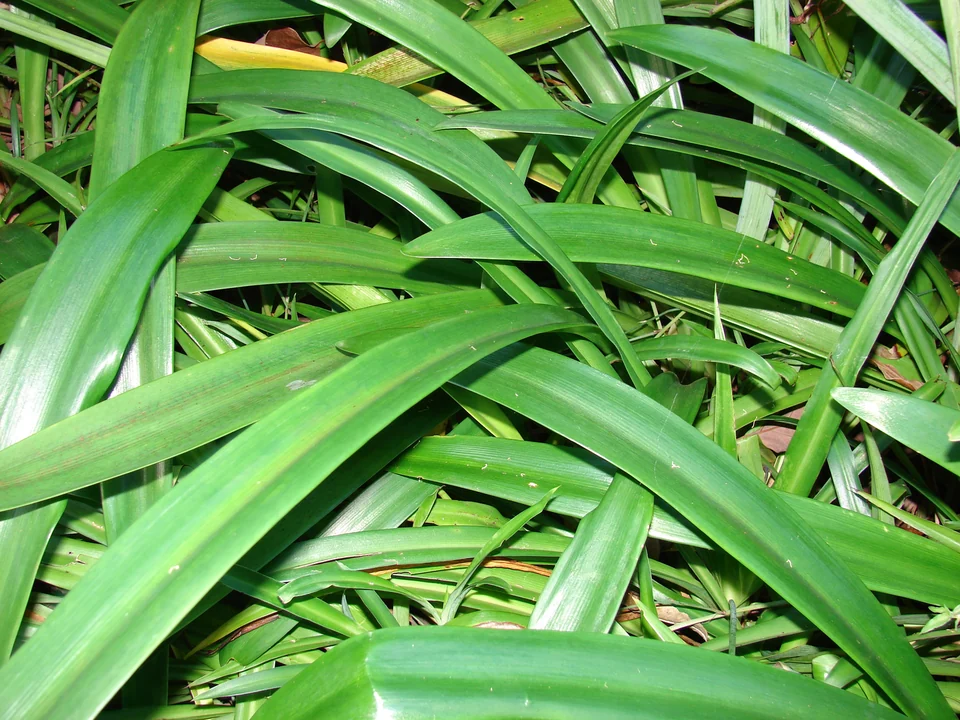
An amaryllis growing leaves without flowers may still be early in its cycle, or its bulb may lack the reserves to flower. This is especially relevant after weak light, premature leaf removal, a small offset or recovery from a waxed display. Preserve healthy leaves, review light and root-zone conditions, and compare timing with the supplier's instructions. Fertiliser or an immediate forced rest will not guarantee a flower stalk.
Leaves prove that some growth is happening; they do not tell you whether a flower stalk is still to come. Start with the bulb's history and the last growing season before changing its care.
Diagnostic snapshot
What to check before you act
What you are seeing
- Newly started bulb, healthy new leaves
- Saved bulb with weak leaf growth last season
Check first
Confirm that the label identifies a holiday Hippeastrum, commonly sold as amaryllis. Outdoor Amaryllis belladonna and other bulb plants follow different cycles.
Hold off for now
Do not remove the healthy leaves that are rebuilding the bulb, or repeatedly alternate dry darkness and heavy watering.
Investigate further if
Ask the supplier about a newly purchased mature bulb that remains healthy but has passed its stated expected flowering window under suitable conditions. For an established plant, bring its light, growth and rest history to a horticultural adviser if repeated good growing cycles do not restore flowering. Escalate sooner for progressive softness or collapse.
Photograph this before you act
- Photograph the whole plant and its growing area so the overall pattern is visible.
- Photograph affected flowers or buds together with nearby leaves and stems.
Next best check
Check two visible clues before you act.
This mini-check narrows the match using the same canonical diagnostic clues as this answer. It does not confirm a diagnosis from one or two clicks, and it does not make a photo-only diagnosis.
Two quick observations can tell you whether to keep reading this diagnosis closely or compare other possibilities first.
Choose the right situation
| What you see | What it may mean | Next useful step |
|---|---|---|
| Newly started bulb, healthy new leaves | Flowering order and timing can vary | Check its preparation, start date and expected supplier window |
| Saved bulb with weak leaf growth last season | Insufficient rebuilt reserves is plausible | Review light, leaf retention and active-growth care |
| Small offset or recovering waxed bulb | The bulb may not be ready to flower | Prioritise establishment and leaf growth |
| Leaves decline and the bulb or roots deteriorate | A health problem may accompany absent flowers | Check moisture, drainage and accessible tissue |
Check before changing care
- Confirm that the label identifies a holiday Hippeastrum, commonly sold as amaryllis. Outdoor Amaryllis belladonna and other bulb plants follow different cycles.
- Write down whether the bulb is new, saved, a small offset or previously waxed, and when it was started. Check whether it already flowered before purchase or earlier in the current cycle.
- Review the previous leafy period: light, early leaf cutting, waterlogging and feeding during active growth. Check current pot drainage and accessible tissue without repeatedly unpotting a healthy plant.
What to do now
- If the bulb was only recently started and remains firm, keep suitable growing conditions while comparing it with its own expected window. Leaf emergence before a flower does not by itself prove failure.
- For a saved bulb, preserve the current healthy leaves and improve inadequate light gradually. A dark decorative corner will not build the same growing reserves as an appropriate bright position.
- Water the rooted plant according to the mix and let excess drain away. Feed only during active growth according to the label; do not compensate for suspected past underfeeding with a stronger dose.
- Allow a small offset or depleted recovered bulb time to establish. Record bulb condition and new leaf growth rather than repeatedly cutting it back to restart the clock.
- Use a controlled rest only as part of a considered later flower-timing plan. Minnesota and Illinois explain that Hippeastrum can also reflower without a forced dormant period.
- If absent flowers accompany softness or rapid decline, investigate the health problem first. A bulb with no shoots at all belongs in the separate not-growing guide.
GardenSolved checkpoint
Do not do this yet
- Do not remove the healthy leaves that are rebuilding the bulb, or repeatedly alternate dry darkness and heavy watering.
- Do not diagnose a nutrient deficiency from missing flowers alone, or use extra fertiliser as a guaranteed bloom treatment.
Confirm the likely cause first, then choose the treatment.
Timing and important distinctions
This guide owns not-blooming and only-leaves questions. Routine care after an already completed flowering has a separate next step, so the two situations do not need conflicting instructions.
For a plant whose previous season was poor, improvement may support a later cycle rather than produce immediate flowers. A particular holiday date is not a reliable test of bulb health.
When to ask for help
Ask the supplier about a newly purchased mature bulb that remains healthy but has passed its stated expected flowering window under suitable conditions. For an established plant, bring its light, growth and rest history to a horticultural adviser if repeated good growing cycles do not restore flowering. Escalate sooner for progressive softness or collapse.
Choose your next step
Sources and linked claims
Save & recheck
Compare what changes before changing course.
Save this diagnosis only in this browser, then come back and compare the same clues. No account, reminder subscription, or server-stored diagnostic record is created.
Your baseline
- Newly started bulb, healthy new leaves
- Saved bulb with weak leaf growth last season
Check again when you return
- Confirm that the label identifies a holiday Hippeastrum, commonly sold as amaryllis. Outdoor Amaryllis belladonna and other bulb plants follow different cycles.
- Write down whether the bulb is new, saved, a small offset or previously waxed, and when it was started. Check whether it already flowered before purchase or earlier in the current cycle.
Tip: photograph the same area from a similar angle so the visible pattern is easier to compare.
Related questions
Diagnostic Finder
Still not sure this answer fits?
Open the Diagnostic Finder with the relevant growing subject or care context preselected and compare other published GardenSolved diagnoses.
Compare other possibilities