Poinsettia
Why Is My Poinsettia Wilting?
The short answer
Feel the accessible root ball, lift the pot and empty any water trapped in the cover. Water is appropriate when the root ball is dry; it is not the next step when the plant is wilting in wet mix. A soft stem base, deteriorating roots or rapid collapse requires a closer assessment. Also consider recent cold exposure or a broken branch.
Drooping leaves are an urgent invitation to check the plant, not an instruction to refill the watering can. Compare the whole plant with individual branches. If just one shoot hangs at a sharp bend while its neighbours stay firm, inspect that shoot before assuming the entire root system has failed.
Diagnostic snapshot
What to check before you act
What you are seeing
- The pot is light, the mix is dry and stems remain firm at their bases.
- The pot is heavy and stays wet; the plant is limp despite recent watering.
Check first
Check accessible mix near the root ball as well as the surface, without probing aggressively. Compare the pot with how it feels after a normal watering and drainage. A wet top layer alone does not describe every part of the root ball.
Compare first
- Dry root ball
- Wet root ball
- Cold or position-related stress
Hold off for now
Do not give repeated rescue waterings while the root ball is wet. First establish whether water can drain and whether the base is firm.
Investigate further if
Seek prompt assessment for a soft dark base, rotting or foul-smelling roots, several collapsing branches, or continuing decline despite suitable moisture. Spreading lesions or grey mould are separate warning signs. Photograph the plant before dismantling the root ball.
Photograph this before you act
- Photograph the soil surface and root-zone or container context; do not disturb roots just to take a photo.
- Take one close-up of the clearest symptom and one wider view that shows the surrounding area for comparison.
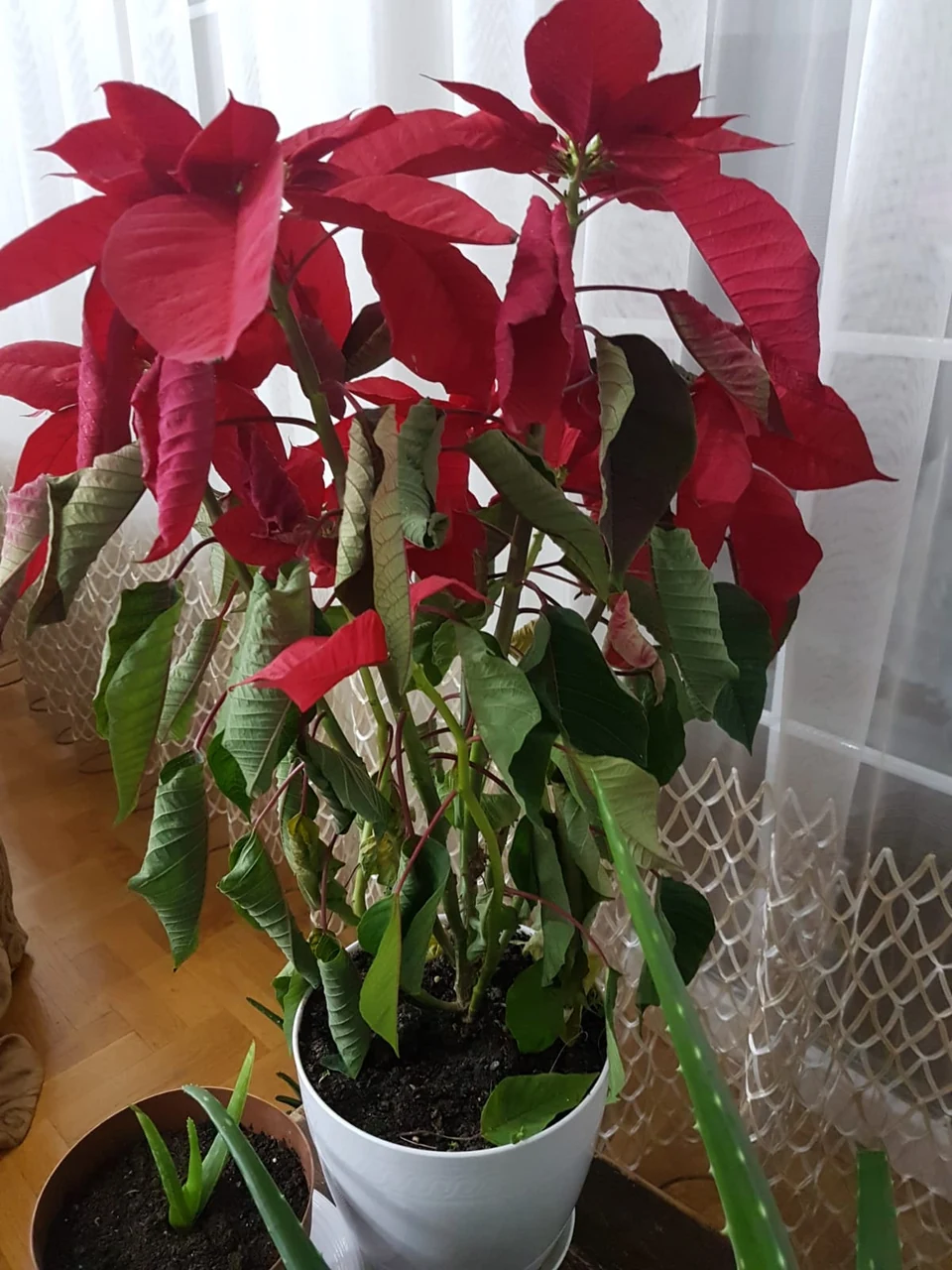
Recommended diagnostic check
Drainage / Root-Zone Checker
What does the root zone actually show?
Separate drainage, moisture, root crowding, and actual root damage before changing care or treatment. This checker is generated from this answer’s canonical diagnostic comparison.
First check
Check accessible mix near the root ball as well as the surface, without probing aggressively. Compare the pot with how it feels after a normal watering and drainage. A wet top layer alone does not describe every part of the root ball.
Do not diagnose root rot, overwatering, or poor drainage from one surface symptom alone. Inspect the actual root-zone evidence first.
Second diagnostic checkEnvironmental Stress CheckerOpen this only if the first checker does not explain the pattern well.
Environmental Stress Checker
Does the timing or exposure fit environmental stress?
Compare the symptom pattern with recent growing conditions before treating a lookalike as disease, pests, nutrient deficiency, or a watering problem.
First check
Check accessible mix near the root ball as well as the surface, without probing aggressively. Compare the pot with how it feels after a normal watering and drainage. A wet top layer alone does not describe every part of the root ball.
Timing / exposure boundary
Wilt followed a cold journey, contact with cold glass or direct heating; moisture alone does not explain it.
Timing and exposure can support an environmental branch, but they do not rule out other causes. Use the factor labels and boundary above as clues, not as a diagnosis.
Match the situation before acting
Dry root ball
- The pot is light, the mix is dry and stems remain firm at their bases.
Water through the draining pot and reassess after drainage.
Wet root ball
- The pot is heavy and stays wet; the plant is limp despite recent watering.
Stop adding water, empty the cover and inspect the base and drainage.
Cold or position-related stress
- Wilt followed a cold journey, contact with cold glass or direct heating; moisture alone does not explain it.
Move to a stable bright position and assess any tissue damage.
Single damaged shoot
- One branch bends or splits while the rest of the plant remains upright.
Support the plant while inspecting the injury; do not repeatedly bend or straighten the stem.
Safe checks before acting
- Check accessible mix near the root ball as well as the surface, without probing aggressively. Compare the pot with how it feels after a normal watering and drainage. A wet top layer alone does not describe every part of the root ball.
- Remove the decorative cover and inspect the outlets. Look at the stem base for firmness or soft, water-soaked tissue. Inspect only roots already visible through an outlet at first; root colour alone is not a disease identification.
- Compare affected and unaffected shoots, and reconstruct the previous day or journey. Note whether the entire plant wilted together or a single branch was injured during handling.
What to do next
- If dry, water slowly over the mix until the root ball is evenly moistened and excess can escape. Let it drain fully. If water bypasses a dry centre, follow the rewetting check in the watering guide rather than flooding the cover.
- If wet, empty trapped water and make sure outlets are open. Keep the plant out of standing water. Do not use heat, squeezing or direct hot sunlight to force the root ball to dry.
- If wet-root decline continues, a careful root-ball inspection can help. Support the pot and slide the intact ball out only if it releases readily; stop if it resists. Look for firmness versus soft, disintegrating roots. Do not tear healthy roots apart to prove a diagnosis.
- For obvious rot, rapid collapse or an uncertain root problem, obtain diagnosis before choosing a treatment or a rescue repot. Keep suspect material separate and ask how to handle a sample. Not every distressed plant can be recovered.
GardenSolved checkpoint
Do not do this yet
- Do not give repeated rescue waterings while the root ball is wet. First establish whether water can drain and whether the base is firm.
- Do not apply fertiliser, fungicide or a speculative pH correction to make a limp plant stand up.
Confirm the likely cause first, then choose the treatment.
What recovery can look like
- A plant wilting only from dryness may regain firmness after the root ball is properly wetted. Judge the response after drainage and a period in stable conditions; there is no dependable recovery deadline for every plant.
- If wilt persists while the root ball is adequately moist, reassess roots, exposure and the base. Do not keep adding water until the leaves lift. Dead leaves and structurally broken tissue will not be repaired by hydration.
When to get more help
Seek prompt assessment for a soft dark base, rotting or foul-smelling roots, several collapsing branches, or continuing decline despite suitable moisture. Spreading lesions or grey mould are separate warning signs. Photograph the plant before dismantling the root ball.
Important context
Wet mix does not prove a particular fungus. Root stress, poor drainage and disease can overlap, and naming a pathogen requires more evidence than a photograph.
Misting leaves is not a substitute for supplying a genuinely dry root ball with water, and it does not restore roots that have decayed.
Follow the next useful clue
- Dry mix needs an effective rewetting method: Check how water enters and exits the pot.How Often Should You Water a Poinsettia?
- Dark injury followed a cold journey: Compare cold injury and other dark-tissue clues.Why Are My Poinsettia Leaves Turning Black?
- Leaf fall continues after firmness improves: Review the leaf-loss timeline and remaining signs.Why Is My Poinsettia Dropping Leaves?
- Soft deteriorating roots accompany persistent wetness: Compare the existing root-rot assessment and its limits.How Do I Know If My Plant Has Root Rot?
Sources and linked claims
Save & recheck
Compare what changes before changing course.
Save this diagnosis only in this browser, then come back and compare the same clues. No account, reminder subscription, or server-stored diagnostic record is created.
Your baseline
- The pot is light, the mix is dry and stems remain firm at their bases.
- The pot is heavy and stays wet; the plant is limp despite recent watering.
Check again when you return
- Check accessible mix near the root ball as well as the surface, without probing aggressively. Compare the pot with how it feels after a normal watering and drainage. A wet top layer alone does not describe every part of the root ball.
- Remove the decorative cover and inspect the outlets. Look at the stem base for firmness or soft, water-soaked tissue. Inspect only roots already visible through an outlet at first; root colour alone is not a disease identification.
Tip: photograph the same area from a similar angle so the visible pattern is easier to compare.
Related questions
Diagnostic Finder
Still not sure this answer fits?
Open the Diagnostic Finder with the relevant growing subject or care context preselected and compare other published GardenSolved diagnoses.
Compare other possibilities