Pests & Diseases
How Do I Know If My Plant Has Root Rot?
The short answer
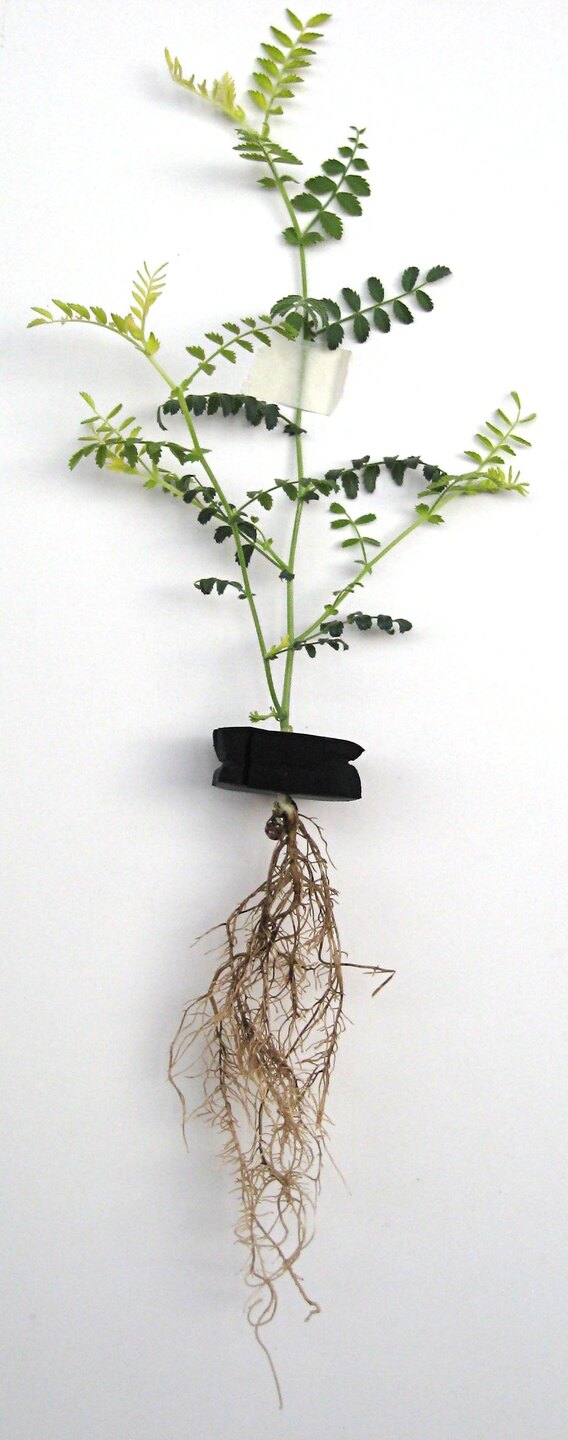
Inspect the roots rather than diagnosing from leaves alone. Healthy roots vary by plant but are usually firm and structurally intact; diseased roots are often dark brown to black, soft or mushy, and may slough their outer tissue away from the central strand. Saturated or poorly drained media raises root-rot risk, but overwatering and root rot are not identical diagnoses. Some plants naturally have dark roots, so firmness, tissue integrity, distribution of damage, and the whole growing context matter.
Wilting, yellowing, and slow growth do not prove root rot because water stress, fertilizer injury, cold damage, and other problems can look similar above ground. The diagnosis becomes much stronger when the root system itself is dark, soft, mushy, collapsing, or losing its outer tissue.
.jpg)
Root rot or another root-zone problem?
Root rot is the stronger fit
- Roots are dark, soft, mushy, limp, collapsing, or lose the outer cortex.
- Above-ground decline occurs together with actual dead or rotting root tissue.
More likely if
- The root zone has remained poorly drained or saturated and fine feeder roots are disappearing.
- Damaged roots break down rather than remaining firm.
Less likely if
- Roots are dark but firm and normal for that plant, with intact tips and no tissue collapse.
Separate severely affected plants and use host-specific guidance before choosing a disease treatment.
Water stress without confirmed rot
- The plant wilts or yellows but roots remain firm and intact.
- The growing medium is either too dry or too wet without clear rotting tissue.
More likely if
- Symptoms improve as the root-zone moisture problem is corrected and new roots stay healthy.
Fix the moisture or drainage problem and monitor new root growth before calling it infectious root rot.
Fertilizer, cold, or chemical injury
- Roots can discolor or die after noninfectious injury, and above-ground symptoms overlap with root diseases.
More likely if
- Damage follows a fertilizer, pesticide, salt, or temperature event and no disease-specific pattern is confirmed.
Review the exposure history and avoid applying a fungicide without a disease diagnosis.
Checks before calling it root rot
- Inspect several roots from different parts of the root ball, not just one old dark root.
- Compare firmness: healthy roots should remain intact, while rotted roots are commonly soft, limp, mushy, or easily stripped.
- Look for loss of fine feeder roots, blackened or brown root tips, or outer tissue sloughing away from the central strand.
- Check the center of the potting mix or soil for persistent saturation and verify that drainage outlets actually function.
- Review recent fertilizer, cold, pesticide, repotting, and drought history because noninfectious injury can mimic root rot.
What to do after you confirm rotting roots
- Stop repeated watering into an already saturated root zone and correct blocked drainage or standing water.
- Separate a movable infected indoor plant from healthy plants while you determine whether enough healthy root and stem tissue remains to save it.
- For a potted plant with a salvageable healthy root system, remove clearly dead decayed tissue with clean tools and repot into a clean container with fresh, well-drained potting medium appropriate for that plant.
- Discard severely infected plants when most roots or the crown are destroyed rather than repeatedly reusing contaminated wet media.
- For woody plants, garden beds, or recurring losses, get host-specific diagnosis before disturbing roots extensively or applying a fungicide.
GardenSolved checkpoint
Do not do this yet
- Do not diagnose root rot from wilting or yellow leaves without inspecting the roots.
- Do not assume every dark root is diseased; some plants naturally have darker root systems.
- Do not keep adding water to a wilted plant when the root zone is already saturated.
- Do not reuse visibly contaminated wet potting medium for a replacement plant.
- Do not apply a fungicide until the host and likely pathogen are understood; different root-rot organisms do not respond identically.
Confirm the likely cause first, then choose the treatment.
When root damage needs expert diagnosis
Escalate when crown or lower-stem tissue is also dark and collapsing, most of the root system is dead, several plants in the same bed or collection are declining, or a valuable woody plant is affected. Laboratory or local Extension diagnosis can separate Phytophthora, Pythium, Rhizoctonia, Fusarium, and noninfectious root injury when management decisions depend on the cause.
Sources
Related questions
Diagnostic Finder
Still not sure this answer matches?
Continue with this plant already selected. The Finder will let you compare the visible problem and, when needed, the pattern against other relevant GardenSolved answers.
Compare other possibilities