Cucumbers
How to Grow Cucumbers in Containers
The short answer
Choose a bush type or a vining cultivar you can support, match the container to the cultivar's mature root and top growth, confirm open drainage, use fresh container medium, place it in the light the cultivar requires, and install stable support at planting. Then manage moisture and feeding from actual conditions rather than one universal pot size, rate, or calendar.
Successful container cucumbers need a suitable growth habit, a stable draining container, appropriate potting medium, enough light, and support planned before vines become difficult to handle. Treat the pot, plant, water, feeding, pollination, and support as one system.
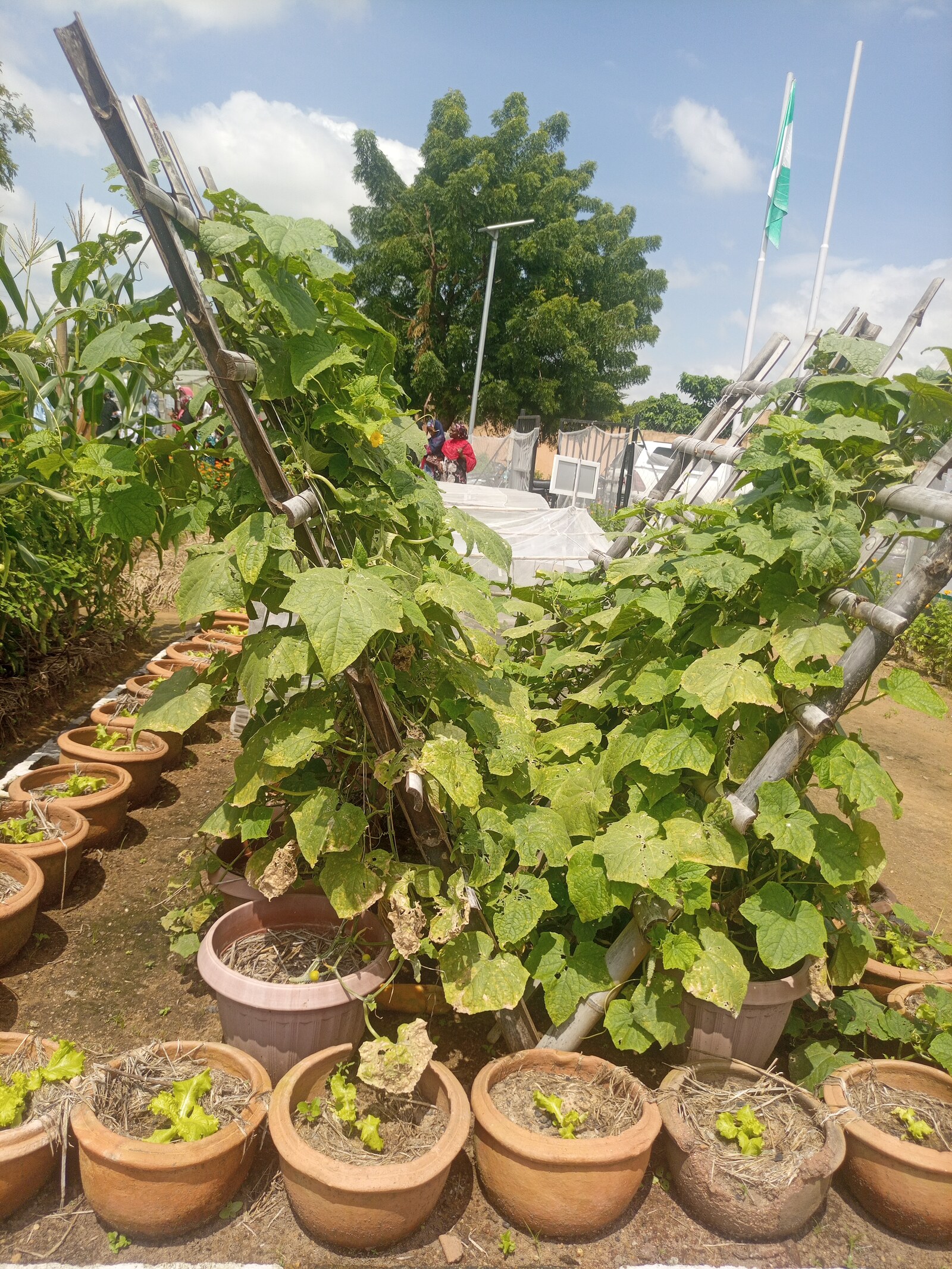

Build the container system before planting
| Decision | What to verify |
|---|---|
| Growth habit | A compact or bush cultivar can reduce vine-management demand; a vining cultivar needs a support path and enough room for its mature growth. |
| Container and drainage | Use a container that remains stable when the mature vine is loaded and has open drainage outlets; follow cultivar or Extension guidance instead of one universal volume. |
| Growing medium | Use a container growing mix that holds useful moisture while draining and aerating; ordinary garden soil alone can compact in a pot. |
| Placement and light | Place the planted container where the cultivar's light needs can be met and where watering, support checks, pollination, and harvest remain accessible. |
| Support | Install the chosen support before vines are long, and anchor it independently or as part of a container that can resist wind and fruit load. |
Checks before deciding what to do
- Read the cultivar description before choosing container and support; there is no universal container volume for every cucumber habit.
- Water the empty planted setup once and confirm that excess water leaves freely without the pot or support shifting.
Carry the setup through flowering and fruiting
- Check moisture below the surface because containers can dry faster or less evenly than beds; use the cucumber watering guide for the full root-zone decision.
- Feed from the potting-mix and fertilizer label or local Extension plan, adjusting to plant response; do not invent a universal cucumber fertilizer rate.
- Guide vining growth onto the support while stems are flexible, using loose, non-constricting ties only where tendrils cannot hold the intended route.
- Check flowers and pollinator access as flowering begins; use the hand-pollination guide only when pollination is the actual next decision.
- Inspect fruit regularly and harvest at the cultivar's expected stage without twisting or tearing the supported vine.
Open the specialist guide for the next decision
- You need the number of plants or layout within containers: Use the cucumber spacing owner and apply its cultivar and support assumptions.How Much Space Do Cucumber Plants Need?
- You need to select, anchor, or train a support: Use the trellis owner for structure and vine-training decisions.How to Trellis Cucumbers
- The root-zone moisture decision is unclear: Use the cucumber watering owner rather than a container calendar.How Often and How Much Should Cucumbers Be Watered?
- Flowers are not setting fruit and hand transfer is appropriate: Use the hand-pollination procedure.How to Hand-Pollinate Cucumbers
- Fruit is approaching its expected cultivar stage: Use the harvest-readiness and cutting guide.When and How to Harvest Cucumbers
GardenSolved checkpoint
Do not do this yet
Avoid common container-system failures
- Do not let a small or top-heavy pot substitute for cultivar-aware sizing and stability.
- Do not block drainage or leave the root zone continuously waterlogged.
- Do not crowd extra plants into a container without checking cultivar and support assumptions.
- Do not wait until vines are tangled or fruiting to improvise an unstable support.
- Do not assume a container prevents disease, pollination trouble, or fruit-quality problems.
Confirm the likely cause first, then choose the treatment.
Setup-to-harvest checklist
- Cultivar habit and mature growth checked
- Stable container and open drainage confirmed
- Container medium and light placement chosen
- Support installed before long vine growth
- Moisture and feeding checked from actual conditions
- Flowers, fruit development, and harvest stage inspected regularly
When another assessment is needed
Use the dedicated owner when the next decision is exact spacing, watering, trellis installation, pollination, harvest readiness, or a specific pest or disease diagnosis.