Phalaenopsis
Why Is My Phalaenopsis Orchid Not Flowering?
The short answer
Check that the orchid is healthy enough to flower and receives suitable light before trying to force a spike. A plant recovering roots or building new growth has a different priority from a vigorous established plant.
A healthy moth orchid can grow leaves and roots between flower displays. Review its condition, light and flowering habit before using a temperature change or extra feed.
Diagnostic snapshot
What to check before you act
What you are seeing
- Weak roots or declining leaves
- Established healthy plant in a dim position
Check first
Record the last flowering, recent growth and root condition rather than expecting a continuous display.
Hold off for now
Do not add high-dose bloom fertiliser or put the plant in cold draughts.
Investigate further if
A plant losing leaves or roots needs a health investigation rather than flower induction.
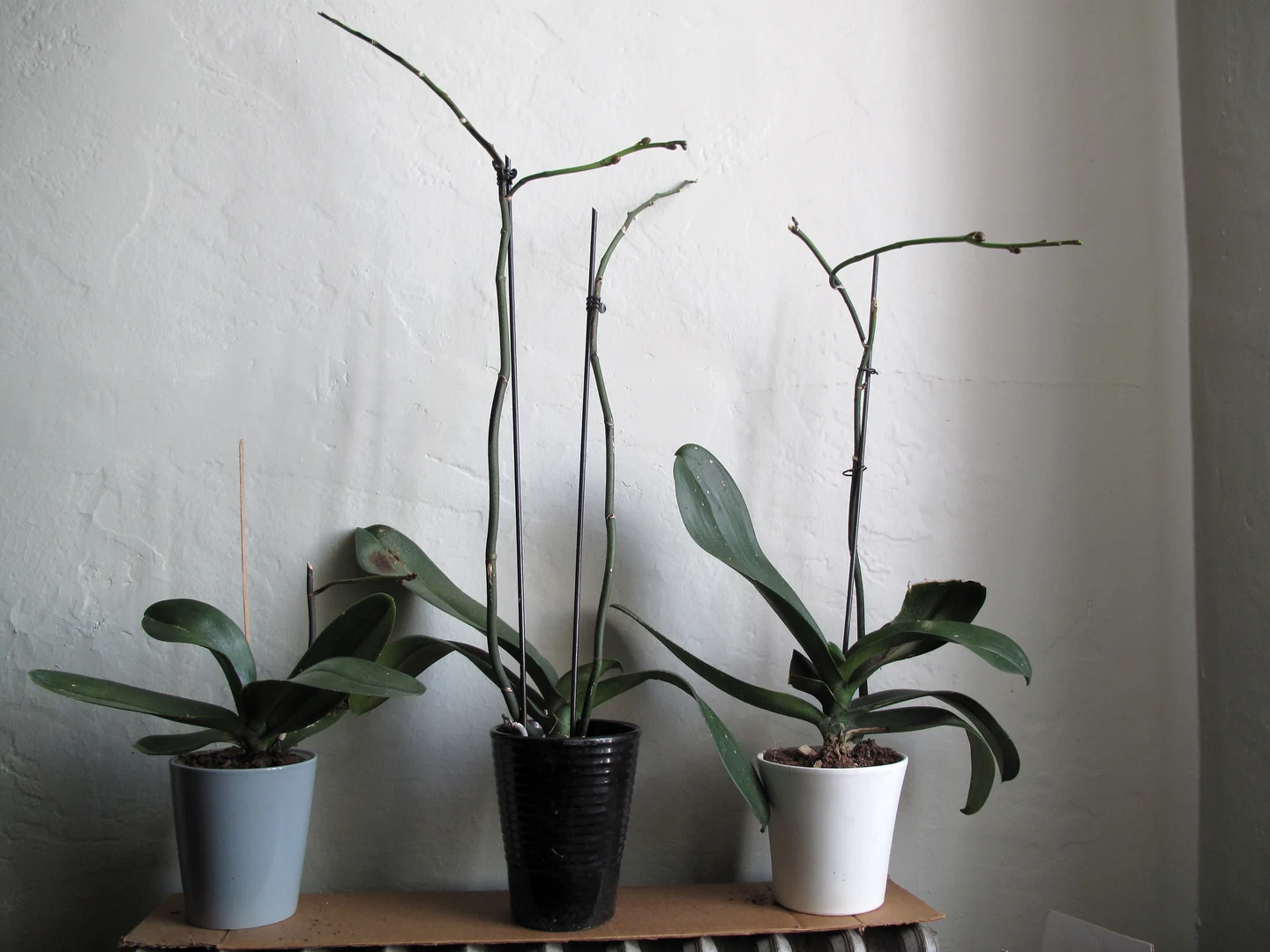
Photograph this before you act
- Photograph the whole plant and its growing area so the overall pattern is visible.
- Photograph affected flowers or buds together with nearby leaves and stems.
Next best check
Check two visible clues before you act.
This mini-check narrows the match using the same canonical diagnostic clues as this answer. It does not confirm a diagnosis from one or two clicks, and it does not make a photo-only diagnosis.
Two quick observations can tell you whether to keep reading this diagnosis closely or compare other possibilities first.
Choose the situation that fits
| What you see | What it may mean | Next useful step |
|---|---|---|
| Weak roots or declining leaves | The plant needs recovery first | Investigate the health problem |
| Established healthy plant in a dim position | Insufficient light may limit flowering | Review light gradually |
| Healthy plant with an identified hybrid type | Flowering responses vary | Use advice suited to its flowering habit |
| A flower spike already carries developing, unopened buds | Flowers have not opened yet; this differs from failing to form a spike | Keep conditions stable and let the buds develop; do not force another spike. |
Check before changing care
- Record the last flowering, recent growth and root condition rather than expecting a continuous display.
- Assess light over the day and measure actual temperatures near the plant.
What to do now
- Improve inadequate light gradually without exposing leaves abruptly to harsh sun.
- Maintain suitable care and track new growth.
- If considering a temperature adjustment, identify the type of Phalaenopsis and keep it within its safe growing conditions.
GardenSolved checkpoint
Do not do this yet
- Do not add high-dose bloom fertiliser or put the plant in cold draughts.
- Do not stop watering to manufacture a rest period.
Confirm the likely cause first, then choose the treatment.
Why the distinction matters
Weak roots or declining leaves direct you to recovery first. A healthy plant in a dim position needs a light review. Flowering responses also differ among Phalaenopsis hybrids; one chilling rule does not fit them all.
When to ask for help
A plant losing leaves or roots needs a health investigation rather than flower induction.
Choose your next step
Sources and linked claims
Save & recheck
Compare what changes before changing course.
Save this diagnosis only in this browser, then come back and compare the same clues. No account, reminder subscription, or server-stored diagnostic record is created.
Your baseline
- Weak roots or declining leaves
- Established healthy plant in a dim position
Check again when you return
- Record the last flowering, recent growth and root condition rather than expecting a continuous display.
- Assess light over the day and measure actual temperatures near the plant.
Tip: photograph the same area from a similar angle so the visible pattern is easier to compare.
Related questions
Diagnostic Finder
Still not sure this answer fits?
Open the Diagnostic Finder with the relevant growing subject or care context preselected and compare other published GardenSolved diagnoses.
Compare other possibilities