Broad Beans
Will broad beans recover after frost?
The short answer
Give plants time to thaw and check them again before deciding whether to replace them. Damage on exposed leaves or tips after a frost is compatible with recovery if lower stems remain firm and healthy growth resumes. If whole plants collapse or lesions keep spreading after the weather improves, investigate other causes as well.
Blackened broad bean tips can appear after a freeze. The timing, the condition of the lower stem and what happens next matter more than colour alone.
Diagnostic snapshot
What to check before you act
What you are seeing
- Dark, limp tips appeared after frost
- Spots keep expanding in damp weather
Check first
Compare exposed and sheltered plants of the same variety, and check when the damage first appeared.
Hold off for now
Hold off on cutting down every blackened shoot before the plants have thawed and you have checked the lower stems and new growth.
Investigate further if
Get a local diagnosis for rapidly spreading patches, soft stem bases or collapse that continues without another freeze. Variety, exposure and plant size change cold tolerance. A single temperature cannot predict survival across gardens.
Photograph this before you act
- Photograph the whole plant and its growing area so the overall pattern is visible.
- Take a sharp close-up of the affected leaf and a second photo of the underside.
Next best check
Check two visible clues before you act.
This mini-check narrows the match using the same canonical diagnostic clues as this answer. It does not confirm a diagnosis from one or two clicks, and it does not make a photo-only diagnosis.
Two quick observations can tell you whether to keep reading this diagnosis closely or compare other possibilities first.
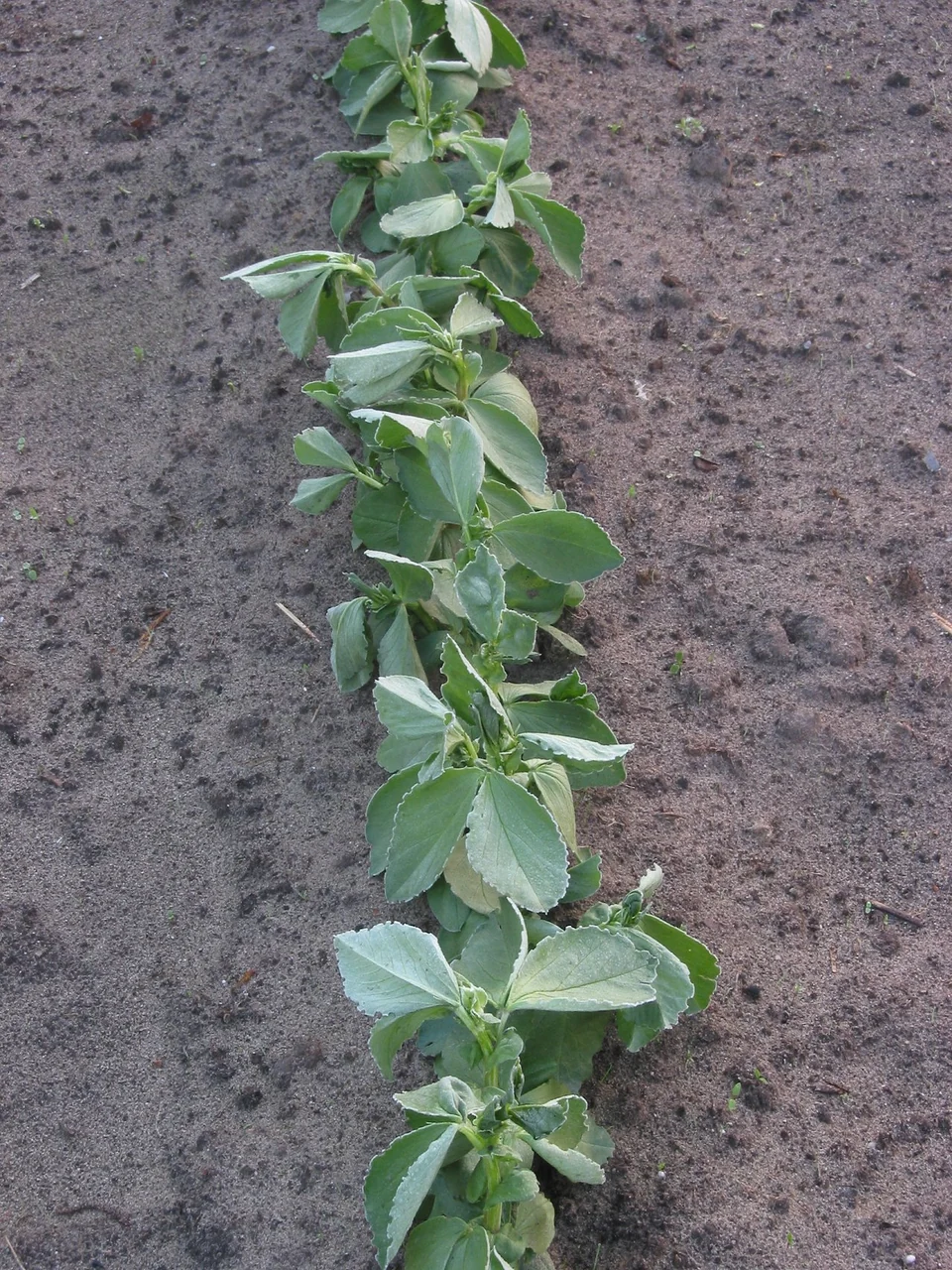
See documented frost damage on broad bean leaves
Compare the damage patterns
| What you see | What to check next |
|---|---|
| Dark, limp tips appeared after frost | Check lower stem firmness and look for fresh growth after thawing. |
| Spots keep expanding in damp weather | Inspect both sides of the leaves and check stems for similar marks. |
| Several plants collapse in a low part of the bed | Check moisture below the surface and investigate soft stem bases. |
What to check first
- Compare exposed and sheltered plants of the same variety, and check when the damage first appeared.
- Inspect the lower stems and several leaves. Note whether dark areas stay confined to cold-exposed tissue or expand in mild, damp weather. Check drainage if failures concentrate in a low spot.
What to do now
- Leave firm stems in place and look for new growth near the base. In suitable weather it can take about a week to see regrowth. Recheck sooner if the base softens or damage spreads.
- Use fleece or a cloche ahead of further cold where local guidance supports it.
- Vent covers in mild conditions.
- If the base has collapsed and fresh growth never resumes in suitable weather, plan a replacement in the next local sowing window.
GardenSolved checkpoint
Do not do this yet
- Hold off on cutting down every blackened shoot before the plants have thawed and you have checked the lower stems and new growth.
Confirm the likely cause first, then choose the treatment.
When to get help
Get a local diagnosis for rapidly spreading patches, soft stem bases or collapse that continues without another freeze. Variety, exposure and plant size change cold tolerance. A single temperature cannot predict survival across gardens.
Follow the next useful clue
- Spots continue to spread without another freeze: Compare leaf spots and rust.What are the brown spots on my broad bean leaves?
- Plants have collapsed and need replacing: Choose the next suitable sowing window.When should I sow broad beans?
Consulted sources
Save & recheck
Compare what changes before changing course.
Save this diagnosis only in this browser, then come back and compare the same clues. No account, reminder subscription, or server-stored diagnostic record is created.
Your baseline
- Dark, limp tips appeared after frost
- Spots keep expanding in damp weather
Check again when you return
- Compare exposed and sheltered plants of the same variety, and check when the damage first appeared.
- Inspect the lower stems and several leaves. Note whether dark areas stay confined to cold-exposed tissue or expand in mild, damp weather. Check drainage if failures concentrate in a low spot.
Tip: photograph the same area from a similar angle so the visible pattern is easier to compare.
Related questions
Diagnostic Finder
Still not sure this answer fits?
Open the Diagnostic Finder with the relevant growing subject or care context preselected and compare other published GardenSolved diagnoses.
Compare other possibilities