Broad Beans
Why are my broad beans yellowing or wilting?
The short answer
Check moisture below the surface beside both a healthy and an affected plant. Water if the root zone is dry and the stems are firm. If it stays wet, pause unnecessary watering and check drainage. If plants collapse from the base or spots are spreading, look for evidence of disease and seek identification.
Wilt and pale foliage can develop in both wet and dry beds. Compare the root zone and stem bases before changing watering or feeding.
Diagnostic snapshot
What to check before you act
What you are seeing
- Dry soil and firm stems
- Persistent wetness, with several affected plants in the same low spot
Check first
Compare moisture next to an affected and a healthy plant at the same depth. Map whether the pattern follows low spots, a watering line or individual stems.
Hold off for now
Hold off on adding fertiliser or watering again until you have checked moisture and stem condition.
Investigate further if
Contact a local diagnostic service if plants collapse, the affected area expands or symptoms persist after moisture is corrected. Note recent weather, irrigation and the first part of the plant to change.
Photograph this before you act
- Photograph the soil surface and root-zone or container context; do not disturb roots just to take a photo.
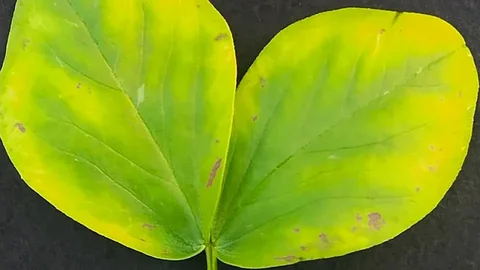
- Take a sharp close-up of the affected leaf and a second photo of the underside.
Next best check
Check two visible clues before you act.
This mini-check narrows the match using the same canonical diagnostic clues as this answer. It does not confirm a diagnosis from one or two clicks, and it does not make a photo-only diagnosis.
Two quick observations can tell you whether to keep reading this diagnosis closely or compare other possibilities first.
Choose the situation that fits
| What you see | What to check next |
|---|---|
| Dry soil and firm stems | Review recent heat, wind and watering. Check whether plants regain firmness after the root zone is watered. |
| Persistent wetness, with several affected plants in the same low spot | Check where water collects or how slowly the pot drains. Saturated soil restricts oxygen around roots. |
| Soft or discoloured stem bases, or worsening patches despite suitable moisture | Photograph the bases and surrounding plants. Several diseases can give overlapping signs. |
| Dark spreading spots, dusty pustules or dense colonies on shoot tips | Follow the leaf-spot or aphid check before treating yellowing as a fertiliser problem. |
What to check first
- Compare moisture next to an affected and a healthy plant at the same depth. Map whether the pattern follows low spots, a watering line or individual stems.
- Check which leaves changed first and inspect the visible stem bases without pulling up healthy plants. Note any soft tissue, spots or visible insects.
What to do now
- Water a genuinely dry root zone at soil level and reassess.
- If the root zone is wet, clear blocked container drainage and reduce avoidable irrigation while you identify why the bed stays wet.
- Document any soft stems or spreading lesions for diagnosis.
GardenSolved checkpoint
Do not do this yet
- Hold off on adding fertiliser or watering again until you have checked moisture and stem condition.
- Pale leaves alone cannot distinguish a nutrient problem from poor root function.
Confirm the likely cause first, then choose the treatment.
When to get help
Contact a local diagnostic service if plants collapse, the affected area expands or symptoms persist after moisture is corrected. Note recent weather, irrigation and the first part of the plant to change.
Follow the next useful clue
- Leaves have spreading spots or raised pustules: Compare the leaf-spot patterns.What are the brown spots on my broad bean leaves?
- Symptoms occur mainly in pots: Check container drainage and moisture.Can I grow broad beans in pots?
- Symptoms followed a freeze: Compare exposed and sheltered plants.Will broad beans recover after frost?
Consulted sources
Save & recheck
Compare what changes before changing course.
Save this diagnosis only in this browser, then come back and compare the same clues. No account, reminder subscription, or server-stored diagnostic record is created.
Your baseline
- Dry soil and firm stems
- Persistent wetness, with several affected plants in the same low spot
Check again when you return
- Compare moisture next to an affected and a healthy plant at the same depth. Map whether the pattern follows low spots, a watering line or individual stems.
- Check which leaves changed first and inspect the visible stem bases without pulling up healthy plants. Note any soft tissue, spots or visible insects.
Tip: photograph the same area from a similar angle so the visible pattern is easier to compare.
Related questions
Diagnostic Finder
Still not sure this answer fits?
Open the Diagnostic Finder with the relevant growing subject or care context preselected and compare other published GardenSolved diagnoses.
Compare other possibilities