Broad Beans
Why aren’t my broad beans coming up?
The short answer
Compare the sowing date, depth and soil moisture with the rest of the row. If similar seeds have already come up elsewhere, inspect one bare spot. A firm seed with a healthy emerging root supports waiting. A soft decaying seed or an empty hole points to a different next step.
A bare row can mean that germination is slow, the seed has failed, or something has taken the seed. Check one gap before you sow again.
Diagnostic snapshot
What to check before you act
What you are seeing
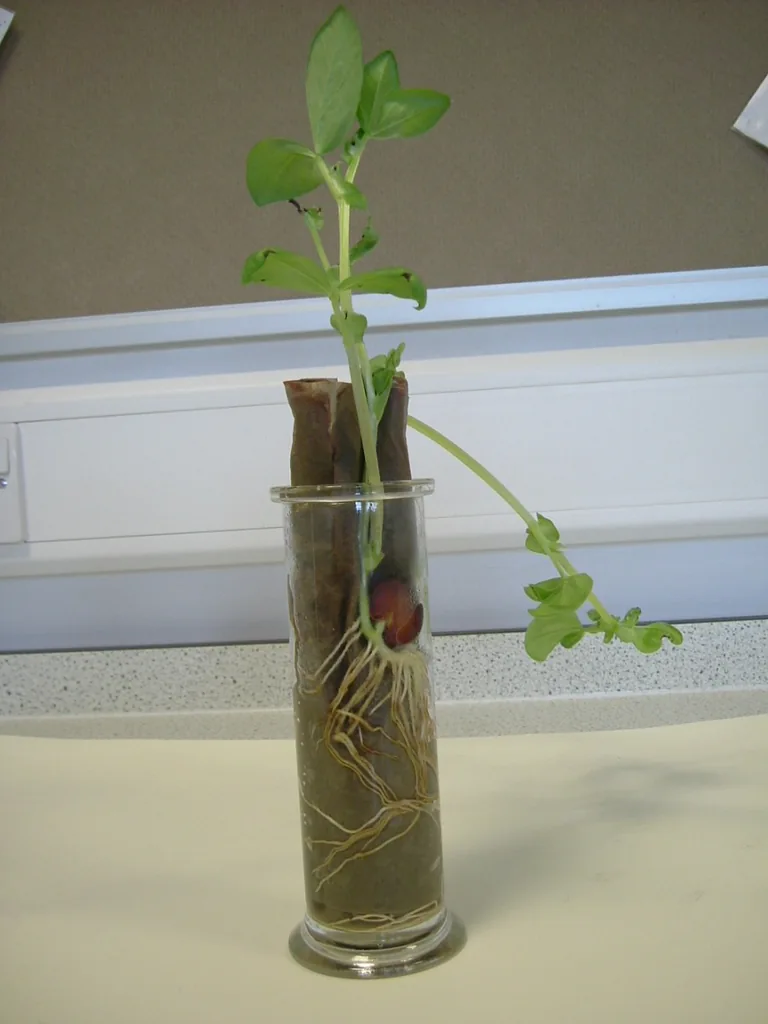
- Firm seed with a pale, intact root or shoot
- Soft seed or decaying shoot, especially where water sits
Check first
Compare moisture below the surface in a gap and beside healthy emergence. Use sowings of the same variety and date for comparison.
Hold off for now
Hold off on watering the entire row or resowing every gap until you have checked what happened to at least one seed.
Investigate further if
Ask a local plant clinic if seedlings repeatedly collapse across fresh seed lots or sowing locations. Photograph the pattern and record your sowing date and watering history.
Photograph this before you act
- Photograph the soil surface and root-zone or container context; do not disturb roots just to take a photo.
- Take one close-up of the clearest symptom and one wider view that shows the surrounding area for comparison.
Next best check
Check two visible clues before you act.
This mini-check narrows the match using the same canonical diagnostic clues as this answer. It does not confirm a diagnosis from one or two clicks, and it does not make a photo-only diagnosis.
Two quick observations can tell you whether to keep reading this diagnosis closely or compare other possibilities first.
Choose the situation that fits
| What you find | What it suggests | Next check |
|---|---|---|
| Firm seed with a pale, intact root or shoot | Germination has started below ground | Keep the soil evenly moist and check nearby plants over the following days. |
| Soft seed or decaying shoot, especially where water sits | Poor establishment in wet soil, with possible decay | Check whether the bare spots map to the wettest part of the bed. |
| Seed missing, seed fragments or disturbance at the surface | Possible feeding or digging | Look for similar signs at other gaps. Mice can take newly sown seeds, but an empty hole alone cannot identify the animal. |
| Several seeds from one packet fail in different places | The seed lot or sowing conditions may be involved | Try a few spare seeds in fresh, free-draining mix under suitable conditions. |
What to check first
- Compare moisture below the surface in a gap and beside healthy emergence. Use sowings of the same variety and date for comparison.
- If the rest of the row has emerged, use a trowel to check one marked gap. Look for a firm seed with growth, soft decay or evidence that the seed is missing.
What to do now
- In favourable conditions, broad bean seeds generally germinate in about 10–14 days. Cold or dry soil can slow them down. Use that range as a guide and compare with the rest of the row before checking one gap.
- If the bed stays wet, improve the sowing conditions or move the next sowing into pots.
- If you find repeated feeding, start replacements in a protected place and cover exposed sowings with appropriate physical protection.
GardenSolved checkpoint
Do not do this yet
- Hold off on watering the entire row or resowing every gap until you have checked what happened to at least one seed.
Confirm the likely cause first, then choose the treatment.
When to get help
Ask a local plant clinic if seedlings repeatedly collapse across fresh seed lots or sowing locations. Photograph the pattern and record your sowing date and watering history.
Follow the next useful clue
- The soil is cold or stays wet: Choose a better sowing window.When should I sow broad beans?
- Outdoor seedlings repeatedly fail to establish: Use the protected start and pot guidance.Can I grow broad beans in pots?
Consulted sources
Save & recheck
Compare what changes before changing course.
Save this diagnosis only in this browser, then come back and compare the same clues. No account, reminder subscription, or server-stored diagnostic record is created.
Your baseline
- Firm seed with a pale, intact root or shoot
- Soft seed or decaying shoot, especially where water sits
Check again when you return
- Compare moisture below the surface in a gap and beside healthy emergence. Use sowings of the same variety and date for comparison.
- If the rest of the row has emerged, use a trowel to check one marked gap. Look for a firm seed with growth, soft decay or evidence that the seed is missing.
Tip: photograph the same area from a similar angle so the visible pattern is easier to compare.
Related questions
Diagnostic Finder
Still not sure this answer fits?
Open the Diagnostic Finder with the relevant growing subject or care context preselected and compare other published GardenSolved diagnoses.
Compare other possibilities