Garlic
My garlic sprouted before winter: is that a problem?
The short answer
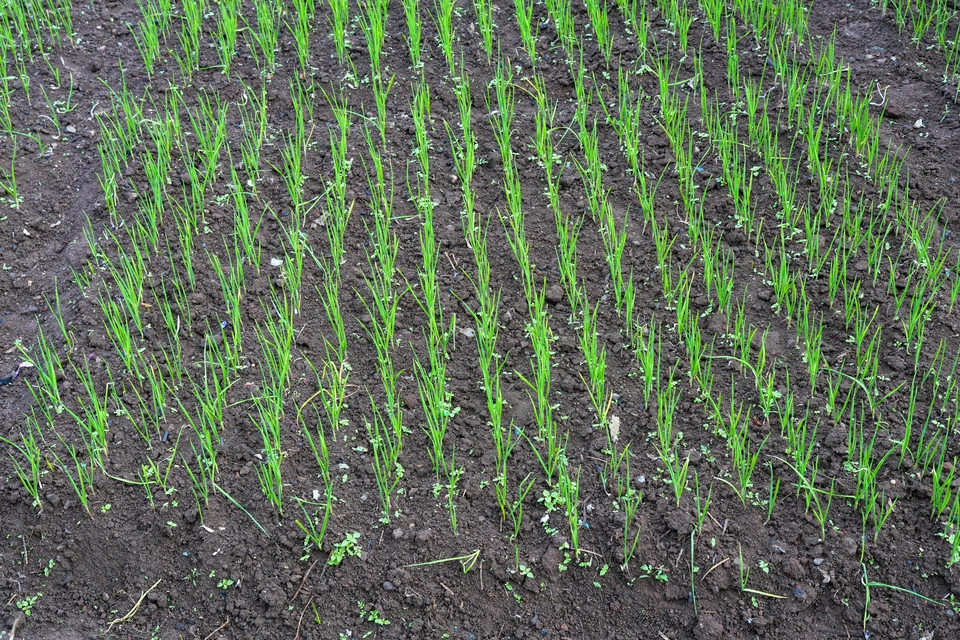
Short green garlic shoots before winter can be normal. Leave healthy shoots attached and follow winter protection suited to your region. Check drainage and whether cloves are still covered after frost heave. Early growth alone is not a reason to cut leaves, dig up cloves or move the crop into a warm room.
An autumn shoot is a different situation from a missing shoot. The decision is whether an established planting needs ordinary winter protection or investigation of actual damage.
Diagnostic snapshot
What to check before you act
What you are seeing
- Green emerged shoots after autumn planting
- Plant remains firm and established as weather cools
Check first
Look at the soil line and photograph the shoot without tugging it. Check for a firm upright base, an uncovered clove or a plant displaced after freeze-thaw weather.
Compare first
- Healthy autumn establishment
- Weather injury
- Deterioration needing another pathway
Hold off for now
Do not cut off healthy autumn shoots to stop growth.
Investigate further if
Ask a local adviser about protection for an unusually exposed site, severe freeze conditions or container overwintering. Soft necks, spreading plant loss or cloves repeatedly lifting out of the soil need investigation beyond routine seasonal care.
Photograph this before you act
- Photograph the whole plant and its growing area so the overall pattern is visible.
- Take one close-up of the clearest symptom and one wider view that shows the surrounding area for comparison.
Next best check
Check two visible clues before you act.
This mini-check narrows the match using the same canonical diagnostic clues as this answer. It does not confirm a diagnosis from one or two clicks, and it does not make a photo-only diagnosis.
Two quick observations can tell you whether to keep reading this diagnosis closely or compare other possibilities first.
Match the situation before acting
Healthy autumn establishment
- Short green shoots and no soft neck or exposed clove
Leave growth intact and monitor conditions.
Weather injury
- New damage follows a freeze or a clove has been pushed upward
Document the injury and inspect coverage without pulling the plant.
Deterioration needing another pathway
- Soft collar, spreading collapse or prolonged saturation
Investigate wilt and drainage rather than calling it normal dormancy.
Safe checks before acting
- Look at the soil line and photograph the shoot without tugging it. Check for a firm upright base, an uncovered clove or a plant displaced after freeze-thaw weather.
- Check the bed after precipitation. Compare a healthy area with any declining patch and record whether the trouble follows low wet ground or a recent hard freeze.
What to do next
- Leave healthy leaves attached. Continue the locally appropriate outdoor growing cycle instead of trying to restart dormancy by cutting green growth.
- Use winter mulch according to regional advice and site drainage. Apply it loosely around established rows; avoid burying emerging foliage under a heavy wet mat.
- If frost heave exposes a clove, restore suitable surface coverage gently without pressing or pulling on the shoot. Avoid walking over frozen or saturated rows.
- Recheck after severe weather and again as local spring growth resumes. Judge new growth and the neck condition rather than expecting old injured leaf tips to turn green.
GardenSolved checkpoint
Do not do this yet
- Do not cut off healthy autumn shoots to stop growth.
- Do not add a heavy feed or bring pots into heated living space solely because shoots emerged. Check the cultivar's outdoor winter requirements first.
Confirm the likely cause first, then choose the treatment.
Scope and follow-up
Maryland guidance explicitly allows roots and a few leaves before cold weather; the Illinois autumn guide also describes shoots followed by a winter pause. Those observations support this separate intent without claiming every climate behaves identically.
A pot's root zone has less buffering than ground soil. Winter protection for a container needs a local plan that preserves drainage and appropriate cold exposure; a sheltered position is not automatically frost-proof.
When to get more help
Ask a local adviser about protection for an unusually exposed site, severe freeze conditions or container overwintering. Soft necks, spreading plant loss or cloves repeatedly lifting out of the soil need investigation beyond routine seasonal care.
Follow the next useful clue
- Leaves become yellow while the base remains firm: Compare leaf age, season and associated signs.Why are my garlic leaves turning yellow?
- You need to overwinter a pot: Check container drainage and regional protection.Can I grow garlic in pots successfully?
Consulted horticultural sources
Save & recheck
Compare what changes before changing course.
Save this diagnosis only in this browser, then come back and compare the same clues. No account, reminder subscription, or server-stored diagnostic record is created.
Your baseline
- Green emerged shoots after autumn planting
- Plant remains firm and established as weather cools
Check again when you return
- Look at the soil line and photograph the shoot without tugging it. Check for a firm upright base, an uncovered clove or a plant displaced after freeze-thaw weather.
- Check the bed after precipitation. Compare a healthy area with any declining patch and record whether the trouble follows low wet ground or a recent hard freeze.
Tip: photograph the same area from a similar angle so the visible pattern is easier to compare.
Related questions
Diagnostic Finder
Still not sure this answer fits?
Open the Diagnostic Finder with the relevant growing subject or care context preselected and compare other published GardenSolved diagnoses.
Compare other possibilities