Peppers
Why are my peppers not ripening?
The short answer
First check the cultivar's expected mature color and whether the fruit has reached normal size and firmness. Many peppers are usable while green, while colored peppers need more time on the plant. If several full-sized fruits stay green as weather turns cool, slow temperature-dependent maturation or a short remaining season is more likely than a fertilizer problem. Patchy, soft, sunken, or damaged fruit belongs to a separate fruit-disorder diagnosis.
A pepper that stays green is not automatically stalled. Some cultivars are harvested green, mature colors vary by variety, and full color can take weeks after fruit set. Temperature, season length, fruit maturity, and the exact color pattern help separate normal timing from a real ripening problem.
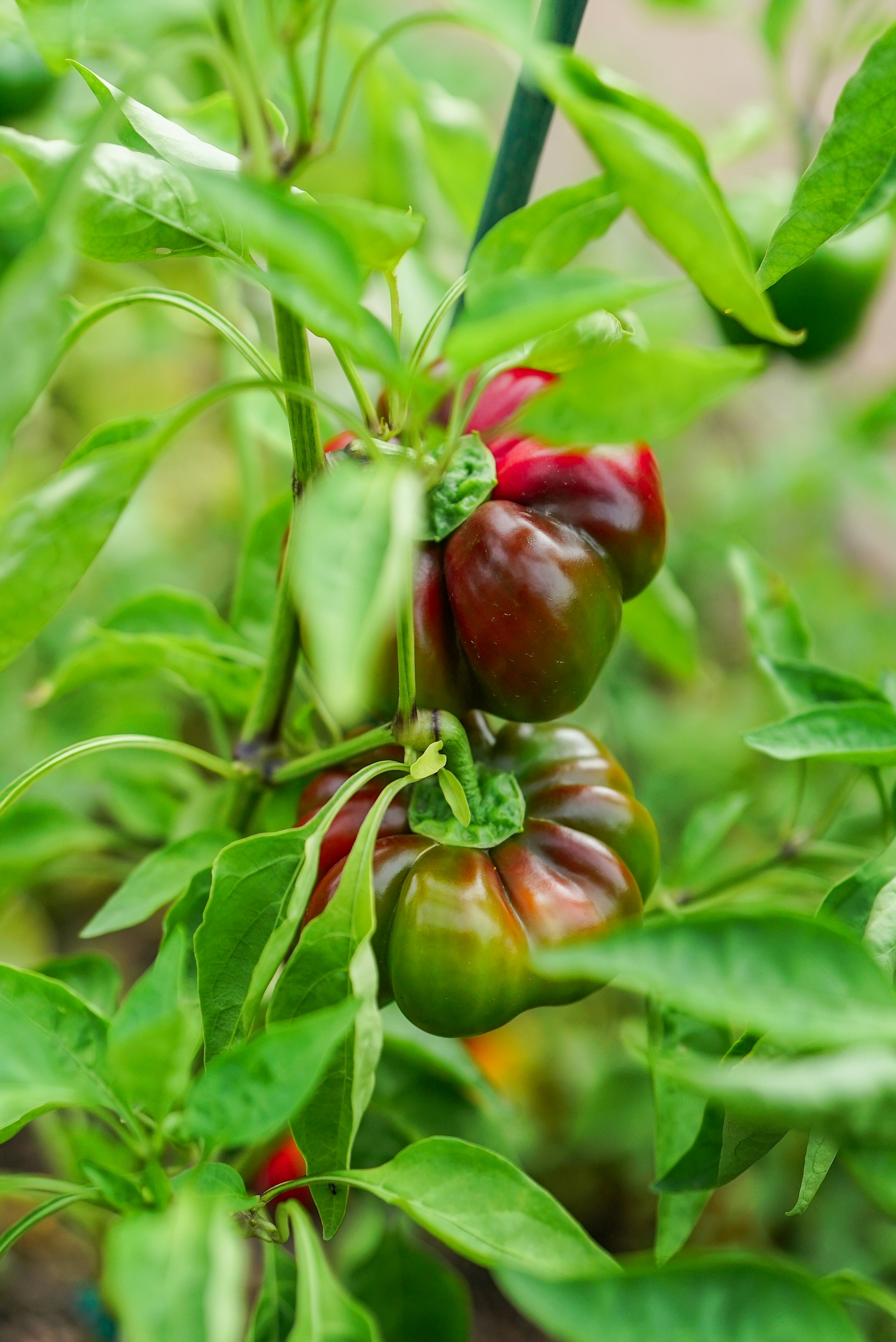
Start with maturity, color, and season
| What you observe | What it suggests first | Next check |
|---|---|---|
| Full-sized, firm green fruit on a cultivar that can be harvested green | This may be a normal harvest stage rather than failed ripening | Check the cultivar's mature color and intended harvest stage |
| Full-sized fruit changes color slowly during cool late-season weather | Temperature and remaining season length can limit or delay full color | Compare recent temperatures and time left before frost |
| Fruit is still enlarging or has not reached normal mature size | The fruit may simply be immature | Track time from flowering or fruit set and compare with cultivar timing |
| Some fruit are red, yellow, orange, purple, brown, or another expected mature color while others remain green | Different fruit ages can explain staggered ripening | Compare fruit set order and maturity rather than treating the whole plant |
| Color is patchy and tissue is soft, sunken, bleached, cracked, or spreading | A fruit disorder or injury is more important than ripening speed | Route by the defining damage pattern |
Compare the main slow-ripening branches
Normal green or cultivar-specific stage
- Fruit is firm and healthy.
- The cultivar is commonly harvested green or has a mature color other than red.
More likely if
- The seed packet or cultivar description matches the fruit's current stage.
- Other fruit on the plant follow the same color sequence.
Less likely if
- Fruit has localized decay, sunken tissue, cracking, or whole-plant decline.
Harvest at the stage appropriate for the cultivar and intended use, or leave healthy fruit longer if full mature color is desired.
Cool-weather or short-season delay
- Full-sized fruit is healthy but color change slows as temperatures fall.
- Late-set fruit has less warm-season time remaining.
More likely if
- Several fruit are affected together and the plant otherwise looks healthy.
- The growing season is short or cool nights arrived before full color.
Less likely if
- Only one damaged fruit is affected while comparable fruit ripen normally.
Keep care steady, use realistic season-extension methods where appropriate, and prioritize fruit that already reached mature size.
Fruit is not mature yet
- Fruit is still increasing in size.
- The expected time from flowering or transplanting has not elapsed.
More likely if
- Earlier-set fruit are farther along in color change.
- The cultivar is mid- or late-season.
Less likely if
- The fruit has been full-sized for a prolonged warm period while comparable fruit of the same age ripen.
Allow more time and judge progress by size, firmness, and cultivar timing rather than color alone.
Fruit damage, not slow ripening
- A patch is dark, bleached, sunken, soft, wet, cracked, moldy, or leaking.
- The change is localized rather than a normal whole-fruit color transition.
More likely if
- The patch expands or tissue texture changes.
- The symptom matches sunscald, blossom-end damage, cracking, or decay.
Less likely if
- The whole fruit remains firm and evenly colored for its cultivar stage.
Use the Pepper fruit-damage owner that matches the location and texture instead of trying to speed ripening.
Checks before trying to speed color
- Identify the cultivar if possible and confirm its expected mature color; not every pepper is supposed to turn red.
- Compare several fruit at different ages and note which were set earliest.
- Check whether the fruit is full-sized, firm, and healthy or still actively enlarging.
- Review recent night and day temperatures and the remaining frost-free season.
- Inspect the entire fruit for localized sunscald, blossom-end injury, cracking, softness, wetness, mold, or other damage.
Route the strongest companion clue
- The fruit is turning very dark or black rather than simply staying green: Use the Pepper dark-fruit diagnosis to separate normal pigment from injury or decay.Why are my peppers turning black?
- The fruit has a dark sunken lesion at the blossom end: Use the Pepper blossom-end-rot owner.Why do my peppers have black spots on the blossom end?
- The plant is flowering but is not setting peppers at all: Use the no-fruit-set diagnosis instead of a ripening page.Why are my pepper plants not producing peppers?
- The whole plant is wilting or declining: Diagnose the plant stress first; ripening speed may be secondary.Why are my pepper plants wilting?
What to do now
- Confirm the cultivar's expected color and harvest stage before treating green fruit as a problem.
- If healthy fruit is still maturing, keep moisture and general care steady rather than repeatedly changing fertilizer or watering.
- When cool weather or a short season is the main limitation, protect warmth with appropriate season-extension methods and prioritize fruit that has already reached mature size.
- Harvest healthy peppers green when that stage suits the cultivar and intended use; full color is not required for every pepper.
- Remove or separately diagnose fruit with active decay or serious injury rather than leaving it as evidence of slow ripening.
GardenSolved checkpoint
Do not do this yet
- Do not add fertilizer just to make healthy green peppers change color faster.
- Do not assume every pepper should turn red; mature color depends on the cultivar.
- Do not confuse a healthy green harvest stage with an unripe or failed fruit.
- Do not use one damaged pepper to diagnose the ripening speed of the whole plant.
- Do not prune away healthy foliage simply to expose fruit to more sun; exposed peppers can develop sunscald.
Confirm the likely cause first, then choose the treatment.
What normal progress looks like
- Healthy fruit reaches normal size and firmness for the cultivar.
- Earlier-set fruit begin their expected mature color before later-set fruit.
- Color change becomes more obvious when warm growing conditions and enough season remain.
- New fruit stays firm and intact without spreading lesions, cracking, or soft decay.
Reduce late-season ripening problems
- Choose pepper cultivars whose days to maturity fit the local growing season.
- Start or transplant peppers early enough for the cultivar while still protecting this warm-season crop from cold.
- Use season-extension practices where the climate routinely limits pepper maturity.
- Keep cultivar labels so expected immature and mature colors are known.
- Maintain healthy foliage and steady root-zone care so fruit can mature without avoidable stress or sunscald.
When slow color is not the main problem
Escalate to a local extension office or plant-diagnostic service when multiple fruit develop unexplained lesions, soft or wet decay, severe cracking, distorted growth, or the whole plant declines. Those patterns need a fruit or plant diagnosis rather than a ripening-speed explanation.