Container gardening
Why are my container plant leaves turning yellow?
The short answer
Check root-zone moisture, drainage and root space before fertilizing. Yellow leaves can accompany dry roots, saturated or damaged roots, root crowding, light stress and other plant-specific problems.
Yellow leaves in a pot are a symptom, not a diagnosis. Container-specific checks start with whether the root zone is staying wet, becoming too dry, or becoming crowded before blaming fertilizer.
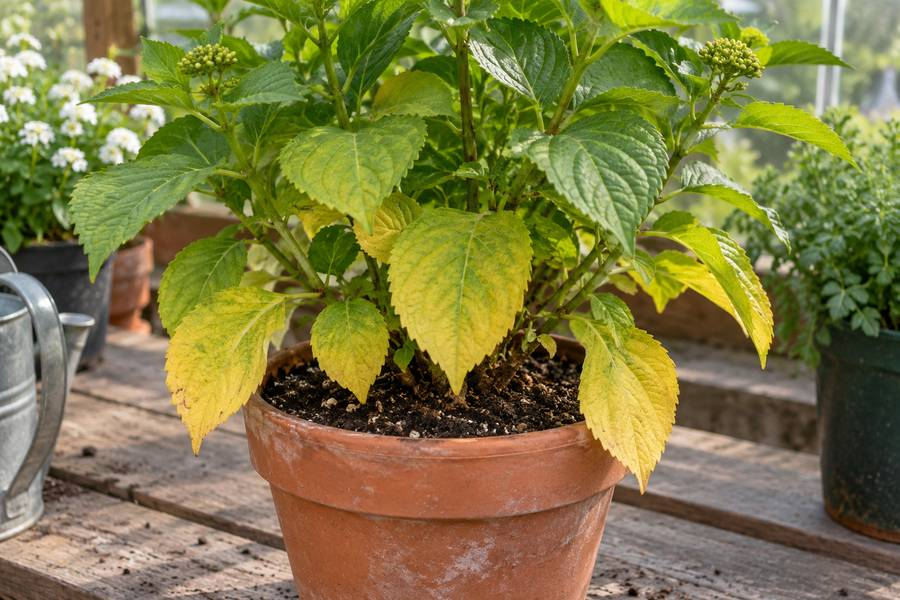
Match the pattern before acting
Wet root zone
- Mix remains wet and plant may be limp
Use the staying-wet diagnostic and inspect roots before watering again.
Dry root zone
- Center of root ball is dry or mix has pulled from the wall
Rewet evenly and check why the pot is drying so quickly.
Additional plant-specific signs
- Spots, insects, distorted growth or patterned chlorosis
Follow the plant-specific symptom owner rather than treating yellow color alone.
How to confirm what is happening
- Check moisture below the surface and whether the pot is draining freely.
- Inspect the root ball for crowding or soft dark roots if the plant is declining.
- Compare older and newer leaves and look for lesions, insects, webbing or distorted growth that point to a plant-specific diagnosis.
What to do now
- Correct confirmed root-zone moisture or drainage problems first.
- Address root crowding only after inspecting the root ball.
- Use fertilizer only when the plant, growing conditions and evidence support a nutrition problem.
GardenSolved checkpoint
Do not do this yet
- Do not fertilize solely because leaves are yellow.
- Do not diagnose root rot from yellow leaves alone.
- Do not assume every yellow container leaf has the same cause.
Confirm the likely cause first, then choose the treatment.
When to investigate further
Rapid yellowing with persistent wilt, soft dark roots, crown decline or spreading lesions needs plant-specific diagnostic advice.