Houseplants
Why are my houseplant leaves turning yellow?
The short answer
Check the soil and the pattern first. Overwatering and poor drainage are common causes, but underwatering, low light, cold drafts, natural aging, pests, or root stress can look similar.
Yellow leaves are a symptom, not a diagnosis. The age of the leaf, the moisture in the pot, the light, and the speed of the change help narrow down what your houseplant needs.
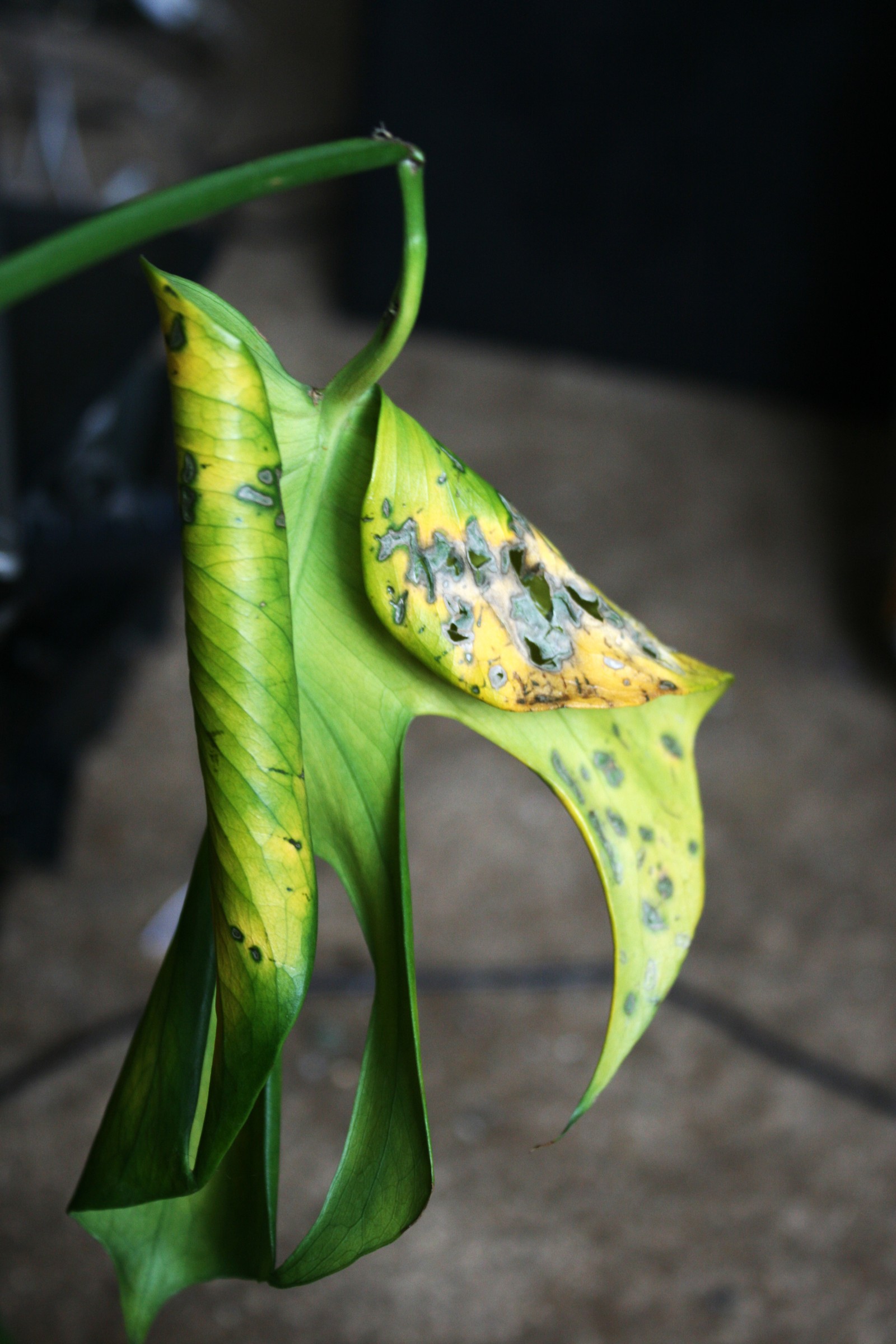
Read the pattern before treating
| Pattern | What it can suggest |
|---|---|
| Soil staying wet too long | Overwatering and poor drainage reduce oxygen around roots. Yellowing is more concerning when several leaves change, the soil stays wet, or the plant also droops. |
| Too little water or light | Long dry periods can cause yellowing and later browning, while insufficient light can slow growth and make a plant shed older leaves. |
| Natural aging, pests, or root stress | One older lower leaf may yellow naturally. Widespread change, sticky residue, fine webbing, or a sour-smelling pot points to a closer inspection. |
Compare the main branches
Soil staying wet too long
- Overwatering and poor drainage reduce oxygen around roots. Yellowing is more concerning when several leaves change, the soil stays wet, or the plant also droops.
More likely if
- Several leaves yellow while the mix stays wet for days
- Yellowing is paired with droop, soft roots, or poor drainage
Less likely if
- Another branch matches the root-zone condition and companion symptoms better.
Check the soil several centimeters below the surface and inspect the drainage hole. Do not water again simply because the top looks dry or because a calendar says it is time.
Too little water or light
- Long dry periods can cause yellowing and later browning, while insufficient light can slow growth and make a plant shed older leaves.
More likely if
- The root zone is dry or the plant has recently been in lower light
- Edges may dry after prolonged water stress
Less likely if
- Another branch matches the root-zone condition and companion symptoms better.
Look at both sides of leaves and at the newest growth for pests, spots, or distortion. Note whether yellowing starts at the bottom, between veins, or across new leaves.
Natural aging, pests, or root stress
- One older lower leaf may yellow naturally. Widespread change, sticky residue, fine webbing, or a sour-smelling pot points to a closer inspection.
More likely if
- Only an older lower leaf is affected, or pests/root damage provide companion clues
- New growth otherwise remains healthy when aging is the cause
Less likely if
- Another branch matches the root-zone condition and companion symptoms better.
Move the plant only if its light or temperature is clearly unsuitable, then give the corrected conditions time. Remove leaves that are fully yellow with clean scissors.
Checks before you act
- Check moisture several centimeters below the surface and confirm that excess water can leave the pot.
- Compare older versus newer leaves and note whether yellowing is uniform, between veins, or paired with brown spots.
- Inspect leaf undersides, stems, and new growth for pests, webbing, scale, or sticky residue.
- Review recent changes in light, temperature, repotting, or watering before adding fertilizer.
Route the strongest clue
- Watering or root-zone stress is the strongest clue: Continue with the more specific Houseplant guide.How often should I water houseplants?
- A companion leaf symptom is clearer: Continue with the more specific Houseplant guide.How do I fix an overwatered houseplant?
- Light or environmental conditions are the next question: Continue with the more specific Houseplant guide.How much light does my houseplant need?
- Another related houseplant symptom is more specific: Continue with the more specific Houseplant guide.Why are my houseplant leaves drooping?
What to do now
- Check the soil several centimeters below the surface and inspect the drainage hole. Do not water again simply because the top looks dry or because a calendar says it is time.
- Look at both sides of leaves and at the newest growth for pests, spots, or distortion. Note whether yellowing starts at the bottom, between veins, or across new leaves.
- Move the plant only if its light or temperature is clearly unsuitable, then give the corrected conditions time. Remove leaves that are fully yellow with clean scissors.
GardenSolved checkpoint
Do not do this yet
Avoid common shortcuts
- Do not diagnose yellow leaves as overwatering from color alone.
- Do not water on a calendar when the root zone is still wet.
- Do not add fertilizer before checking roots, moisture, and light.
- Do not treat for pests or disease without companion signs.
Confirm the likely cause first, then choose the treatment.
What recovery looks like
- After correcting water or light stress, judge recovery by stable new growth rather than old yellow leaves turning green.
- A healthy root zone should begin drying at a normal pace between waterings.
- If only old leaves were aging naturally, leaf loss should remain limited rather than accelerating.
- Continued yellowing of new growth needs a more specific nutrient, root, or pest diagnosis.
Reduce repeat problems
- Use a pot with a drainage hole and a growing mix suited to the plant rather than dense garden soil.
- Water according to the plant and soil condition, not a fixed weekly schedule.
- Keep plants away from cold drafts and inspect new plants before placing them with the rest of your collection.
When to investigate further
If yellowing spreads quickly, affects new leaves, comes with soft stems or a foul smell, or appears with pests, inspect the roots and seek a plant-specific diagnosis before fertilizing.