Pests & Diseases
Identify the clue before you treat
Start with what you can actually see: insects, feeding evidence, webbing, wax, fungal growth, lesion pattern, root condition, or leaf damage. Use the diagnostic guides to separate pest, disease, and nonliving lookalikes before choosing a treatment.
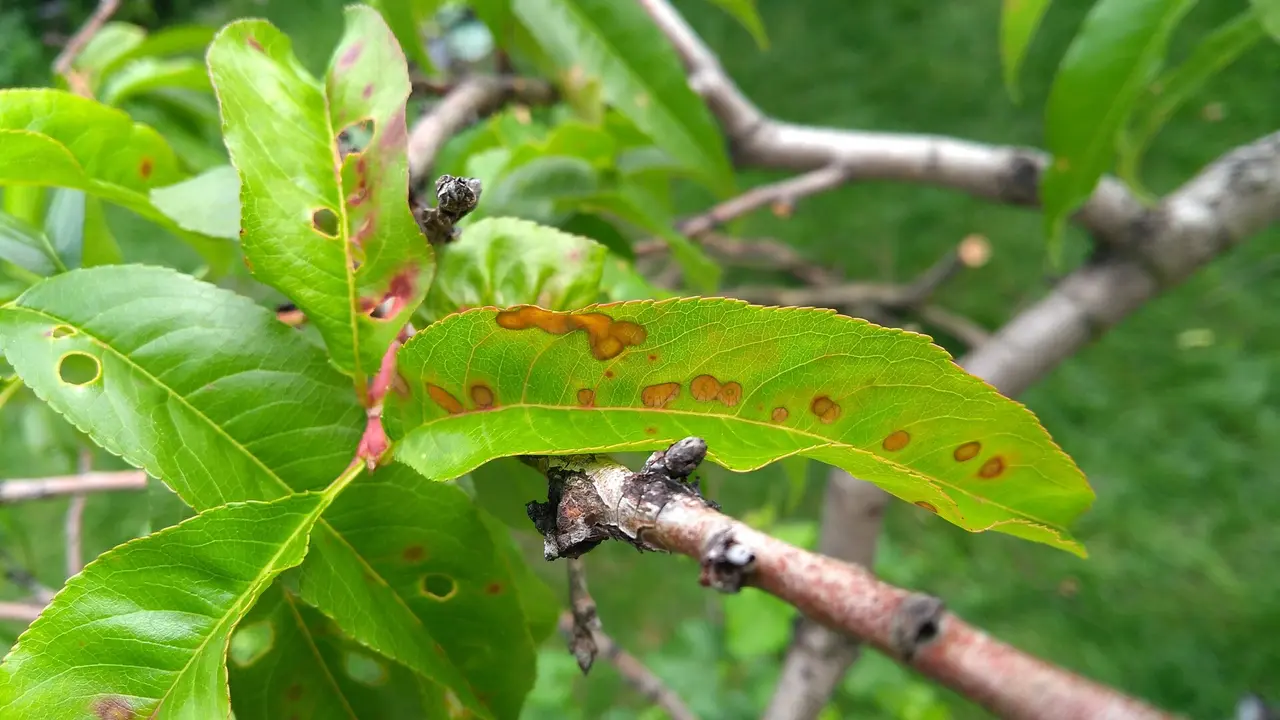
Find the right guidePhoto: CoolKoon · CC BY-SA 4.0 · cropped to 16:9, resized, and compressed for web Context illustration/photo, not confirmation of a plant problem.

Before you treat anything
Use the physical sign as the strongest clue
1. Turn the leaf over
Many sap feeders and mites concentrate on leaf undersides. Check several affected and nearby healthy leaves, not one isolated spot.
2. Use magnification
Tiny mites and thrips can be missed by eye. Body shape, eggs, webbing, wax, or frass can separate problems that look similar from a distance.
3. Inspect the tissue itself
Powdery growth, underside sporulation, or soft collapsing roots are stronger disease clues than yellowing or wilt alone. Compare damaged tissue with healthy tissue from the same plant.
GardenSolved checkpoint
Do not spray from the symptom alone
Sticky leaves, yellowing, brown spots, stippling, and distorted growth can each have more than one cause. Confirm the insect or disease pattern first; if a pesticide is needed, the plant, target pest, use site, and legal label all matter.
Browse by diagnostic clue
12 published diagnostic guides
Diagnosis · pests · diseases · root & leaf clues
Diagnose the symptom first
Start here when the visible damage is clearer than the cause. Brown spots can come from disease, water or heat stress, weather injury, or another problem, so pattern and progression matter before treatment.
How Can I Tell Pest Damage From Plant Disease?
Use insects, feeding evidence, pathogen signs, lesion patterns, and environmental context to separate pest damage from disease and abiotic stress.
Read the guideWhat causes brown spots on plant leaves?
Identify the plant and compare internal spots with dry leaf margins.
Read the guideSap-feeding pests
Use actual insect shape, where the pest sits, wax or honeydew, and what happens when foliage is disturbed. Sticky leaves by themselves do not identify which sap feeder is present.
How Do I Know If My Plant Has Aphids?
Confirm clusters of small pear-shaped sap feeders rather than diagnosing aphids from sticky or curled leaves alone.
Read the guideHow Do I Know If My Plant Has Mealybugs?
Look for actual white wax-covered insects in leaf axils, veins, and stems rather than diagnosing from cottony residue alone.
Read the guideHow Do I Know If My Plant Has Scale Insects?
Confirm attached scale insects and distinguish soft from armored scale before choosing management.
Read the guideHow Do I Know If My Plant Has Whiteflies?
Inspect leaf undersides for tiny white adults and flat immature stages, then gently disturb foliage to confirm the characteristic flutter.
Read the guideTiny leaf-surface feeders
Spider mites and thrips can both cause pale or bronzed-looking damage. Separate fine stippling and webbing from silvery scars, dark frass, and slender insects before choosing a response.
How Do I Know If My Plant Has Spider Mites?
Use magnification or a white-paper tap test to confirm tiny mites behind fine stippling, bronzing, and webbing.
Read the guideHow Do I Know If My Plant Has Thrips?
Confirm slender thrips or fresh dark frass beside pale feeding scars rather than diagnosing from silvered leaves alone.
Read the guideMildews & root diseases
Confirm the disease sign before treating: powdery surface growth, underside downy sporulation, gray fuzzy Botrytis growth, and soft collapsing roots are different diagnostic branches with different lookalikes and management.
What Does Powdery Mildew Look Like on Plants?
Confirm progressive white-to-gray powdery surface growth and rule out residue, natural markings, and downy mildew before treating.
Read the guideHow Can I Tell Downy Mildew From Powdery Mildew?
Separate powdery surface growth from downy mildew's lesion-plus-underside-sporulation pattern, then confirm the host.
Read the guideWhat Is the Gray Fuzzy Mold on My Plant?
Confirm dusty gray fungal growth on blighted tissue and separate Botrytis from powdery mildew, insects, and simple tissue decay.
Read the guideHow Do I Know If My Plant Has Root Rot?
Inspect the actual root system for dark, soft, collapsing tissue and separate infection from simple water stress or naturally dark roots.
Read the guide