Houseplants
How do I get rid of fungus gnats in houseplants?
The short answer
Reduce unnecessary moisture, improve drainage, use yellow sticky traps to monitor adults, and address larvae with a labeled or biologically appropriate control if the infestation persists.
Fungus gnats are small flies associated with damp potting mix. Adults are mostly a nuisance, while larvae live in the soil and can damage roots when numbers are high.
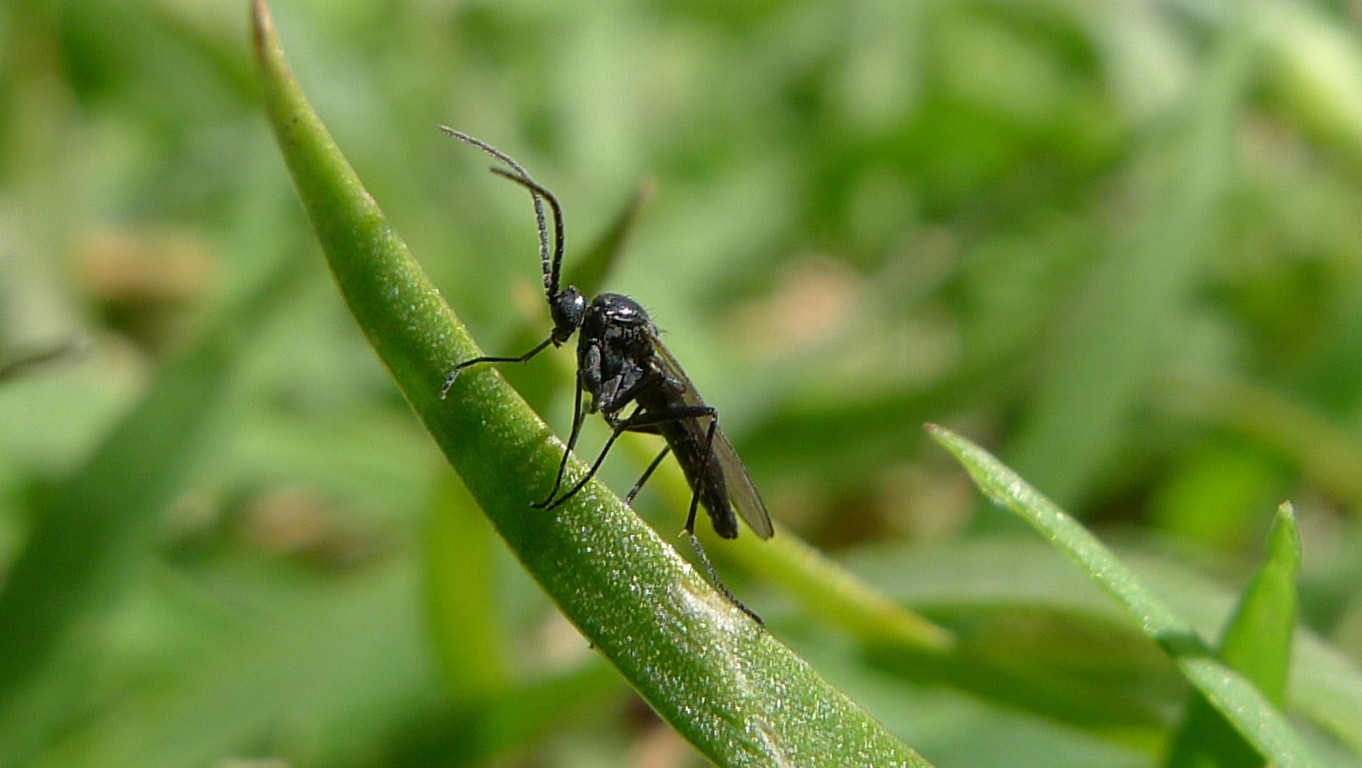
.jpg)
Read the pattern before treating
| Pattern | What it can suggest |
|---|---|
| Consistently damp potting mix | Moist soil supports egg laying and larval development. Plants that are watered too often are more likely to sustain repeated generations. |
| Organic material and decaying roots | Fungus gnat larvae feed mainly on fungi and decaying organic matter, but large populations can also feed on root hairs and stress young plants. |
| Infested new plants or potting mix | Gnats can arrive with a new plant, reused soil, or damp growing media. Adults may keep appearing because eggs and larvae develop at different times. |
Compare the main branches
Consistently damp potting mix
- Moist soil supports egg laying and larval development. Plants that are watered too often are more likely to sustain repeated generations.
More likely if
- Small dark flies rise from the potting mix after watering or handling the plant
- Yellow sticky cards catch adults close to the pot
Less likely if
- Another branch better matches the root-zone, light, pest, or surface-growth evidence.
Let the surface and appropriate upper layer of soil dry between waterings, while still following the needs of moisture-loving plants that cannot be allowed to dry fully.
Organic material and decaying roots
- Fungus gnat larvae feed mainly on fungi and decaying organic matter, but large populations can also feed on root hairs and stress young plants.
More likely if
- The surface stays damp for long periods and the mix contains abundant organic material
- Larvae can be found in the moist upper root zone
Less likely if
- Another branch better matches the root-zone, light, pest, or surface-growth evidence.
Place yellow sticky traps near the soil to catch adults and monitor whether numbers are falling. Traps do not remove larvae by themselves.
Infested new plants or potting mix
- Gnats can arrive with a new plant, reused soil, or damp growing media. Adults may keep appearing because eggs and larvae develop at different times.
More likely if
- The plant itself is declining, not just hosting nuisance adults
- Wet-root stress or root rot may be a separate problem requiring correction
Less likely if
- Another branch better matches the root-zone, light, pest, or surface-growth evidence.
Check drainage, remove decaying material, and use a labeled biological or chemical control only as directed if the infestation continues. Treat the soil stage, not just flying adults.
Checks before you act
- Confirm that the insects are small fungus-gnat-like flies associated with the potting mix rather than fruit flies from another source.
- Use yellow sticky cards to monitor adults; treat them as a detection tool, not the whole solution.
- Check how long the surface and root zone remain wet after watering.
- If the plant is wilting or yellowing, inspect drainage and roots because plant decline may come from overwatering rather than adult gnats.
Route the strongest clue
- Root-zone or watering evidence is strongest: Continue with the more specific Houseplant guide.How often should I water houseplants?
- Light or environmental evidence is strongest: Continue with the more specific Houseplant guide.How do I fix an overwatered houseplant?
- Pest or surface-growth evidence is strongest: Continue with the more specific Houseplant guide.Why is there mold on my houseplant soil?
- A related Houseplant symptom is more specific: Continue with the more specific Houseplant guide.Why are my houseplant leaves drooping?
What to do now
- Let the surface and appropriate upper layer of soil dry between waterings, while still following the needs of moisture-loving plants that cannot be allowed to dry fully.
- Place yellow sticky traps near the soil to catch adults and monitor whether numbers are falling. Traps do not remove larvae by themselves.
- Check drainage, remove decaying material, and use a labeled biological or chemical control only as directed if the infestation continues. Treat the soil stage, not just flying adults.
GardenSolved checkpoint
Do not do this yet
Avoid common shortcuts
- Do not rely on sticky traps alone while the potting mix remains continuously damp.
- Do not keep watering on schedule if the root zone has not dried appropriately.
- Do not treat every small indoor fly as a fungus gnat without confirming its source.
- Do not use pesticides not labeled for indoor plants or the intended soil treatment.
Confirm the likely cause first, then choose the treatment.
What recovery looks like
- Adult numbers should decline as the breeding environment becomes less favorable and larvae are controlled.
- Sticky-card catches should trend down rather than rebound after every watering.
- The plant should maintain normal turgor and root function as the watering cycle improves.
- If adults persist despite corrected moisture, inspect nearby pots and other damp organic sources.
Reduce repeat problems
- Avoid keeping potting mix constantly wet and empty excess water from saucers.
- Quarantine new plants and inspect the soil before placing them with the collection.
- Use clean, suitable potting mix and keep dead leaves from accumulating on the soil surface.
When to investigate further
If young plants are stunted, roots are damaged, or the infestation persists across many pots, identify the larvae and review the moisture conditions before applying repeated treatments.